Research continues to show a strong connection between hip mobility and lower back comfort. In fact, studies have found that restricted hip movement is often associated with increased low back pain and reduced movement efficiency. When the hips aren’t moving the way they’re designed to, the lower back frequently ends up doing extra work.
Have you ever experienced lower back pain even though you haven’t done anything physically demanding?
For many people, the real issue isn’t always the back itself. Instead, the source of the problem may begin in the hips.
Tight hips are incredibly common in today’s world. Long hours of sitting, repetitive movement patterns, poor posture, and reduced activity levels can all contribute to restricted hip mobility.
Over time, that restriction can affect how your entire lower body moves and distributes force, often leading to discomfort in places that seem unrelated– especially the lower back.
Once you understand the connection between hip mobility and back pain, improving both becomes easier.
This guide explores why tight hips contribute to lower back discomfort and how massage therapy may help support better movement, flexibility, and overall comfort.
How Tight Hips Affect the Way Your Lower Back Moves
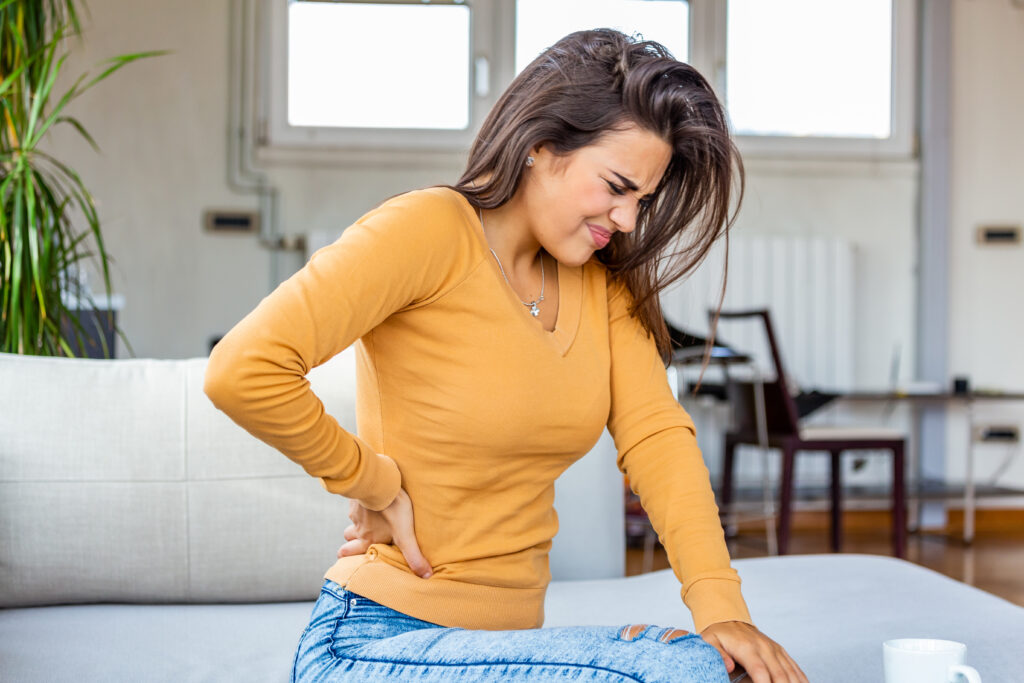
The hips and lower back work together as part of a larger movement system.
When your hips move freely:
- Walking feels smoother
- Bending becomes easier
- Posture improves
- The body distributes movement more evenly
When hip mobility becomes restricted, however, the lower back often compensates.
Think of the hips as one of the body’s primary movement centers. If they lose mobility, the lower back may begin taking on more movement than it was designed to handle.
This often creates:
- Extra strain on spinal joints
- Increased muscle tension
- Reduced movement efficiency
- Ongoing discomfort
According to research examining hip flexibility and low back pain, restrictions in hip mobility may influence how stress is distributed throughout the lower body and spine.
This helps explain why many people experience lower back discomfort without a specific injury present.
The issue isn’t always the lower back itself– it’s often how the body is compensating for limited hip movement.
Signs Tight Hips May Be Contributing to Back Pain
The connection between hip tightness and lower back pain often develops gradually.
Many people don’t recognize the connection until symptoms become difficult to ignore.
Common signs include:
Lower Back Stiffness After Long Periods of Sitting
Standing up after a long meeting or workday may feel surprisingly uncomfortable.
Discomfort While Walking
You may feel restricted through the hips or notice that movement feels less fluid than it once did.
Difficulty Bending or Squatting
Simple movements such as tying shoes or picking up objects may feel more challenging.
Recurring Lower Back Pain
Many people focus on treating the back itself without realizing hip tightness may be contributing to the problem.
General Restricted Movement
The body feels less mobile and more resistant during everyday activities.
One important thing to remember is that these symptoms rarely appear overnight. They often develop slowly over months or years.
Paying attention to recurring patterns of lower back stiffness, hip tightness, or restricted movement can help identify the issue before it becomes more significant.
Common Habits That Can Contribute to Tight Hips
Tight hips aren’t just an athlete’s problem.
Many of the habits that contribute to hip tightness are part of everyday life.
Prolonged Sitting
One of the most common causes is prolonged sitting.
Whether you’re:
- Working at a desk
- Driving
- Watching television
- Scrolling on your phone
extended sitting keeps the hips in a shortened position for long periods.
Over time, this can cause the surrounding muscles to become less flexible and more restricted.
Poor Posture
Posture influences how muscles are loaded throughout the day.
Forward-leaning positions, slouching, and uneven weight distribution can all place additional stress on the hips.
Reduced Physical Activity
Movement helps maintain healthy joint mobility and muscle flexibility.
When movement decreases, stiffness often increases.
Repetitive Movement Patterns
Even active individuals may experience tight hips if they repeatedly perform the same movements without balancing them with mobility work.
This is why tight hips can affect:
- Office workers
- Remote workers
- Athletes
- Students
- Retirees
Virtually anyone can develop mobility restrictions if movement habits remain unchanged long enough.
Why Tight Muscles Don’t Always Improve on Their Own
Many people assume tight muscles will eventually loosen naturally.
While some tight muscles improve with time, many do not.
The body is incredibly adaptable. If a muscle remains shortened or restricted long enough, the body begins treating that limitation as normal.
As a result:
- Tightness may stop feeling unusual
- Mobility restrictions become familiar
- Movement compensation patterns develop
Over time, surrounding muscles begin adapting too.
What starts as mild hip tightness may eventually contribute to:
- Lower back discomfort
- Knee strain
- Pelvic tightness
- Altered walking patterns
Massage therapy may help interrupt this cycle by addressing built-up tension and encouraging healthier movement patterns.
For a deeper look at improving flexibility and mobility, check out our guide on Tight Hips & Limited Mobility: How Massage Therapy Improves Flexibility and Movement
How Better Hip Mobility Can Support Everyday Movement
Improving hip mobility isn’t just about feeling looser.
It’s about making everyday movement easier.
When hips move through a healthy range of motion, many daily activities become more comfortable:
Walking
Walking often feels smoother and more natural.
Climbing Stairs
The body can generate movement more efficiently.
Getting Out of a Chair
Less strain is placed on the lower back.
Bending Down
The hips contribute appropriately instead of forcing the back to do all the work.
Standing for Longer Periods
Better alignment often reduces fatigue and discomfort.
National Geographic’s exploration of hip flexors and lower back pain highlights how restrictions in hip mobility can influence movement quality throughout the entire body.
Simply put, better hip mobility often leads to better overall movement.
Building Habits That Support Long-Term Mobility
Improving mobility isn’t about one stretch or one massage session.
It’s about consistent habits.
Some of the most effective strategies include:
Change Positions Frequently
Try not to remain in any single position for hours at a time.
Switch between:
- Sitting
- Standing
- Walking
throughout the day.
Take Movement Breaks
Even brief walks every 30–60 minutes can help reduce stiffness.
Increase Body Awareness
Notice when you begin:
- Slouching
- Leaning
- Shifting unevenly
Small corrections throughout the day often add up.
Stay Consistent With Movement
Mobility tends to improve when movement becomes a regular part of daily life.
Use Massage Therapy Proactively
Massage therapy can help support:
- Muscle relaxation
- Mobility
- Circulation
- Recovery
Many people find that ongoing care helps them stay ahead of recurring tightness rather than constantly reacting to discomfort after it appears.
How Massage Therapy Helps Tight Hips
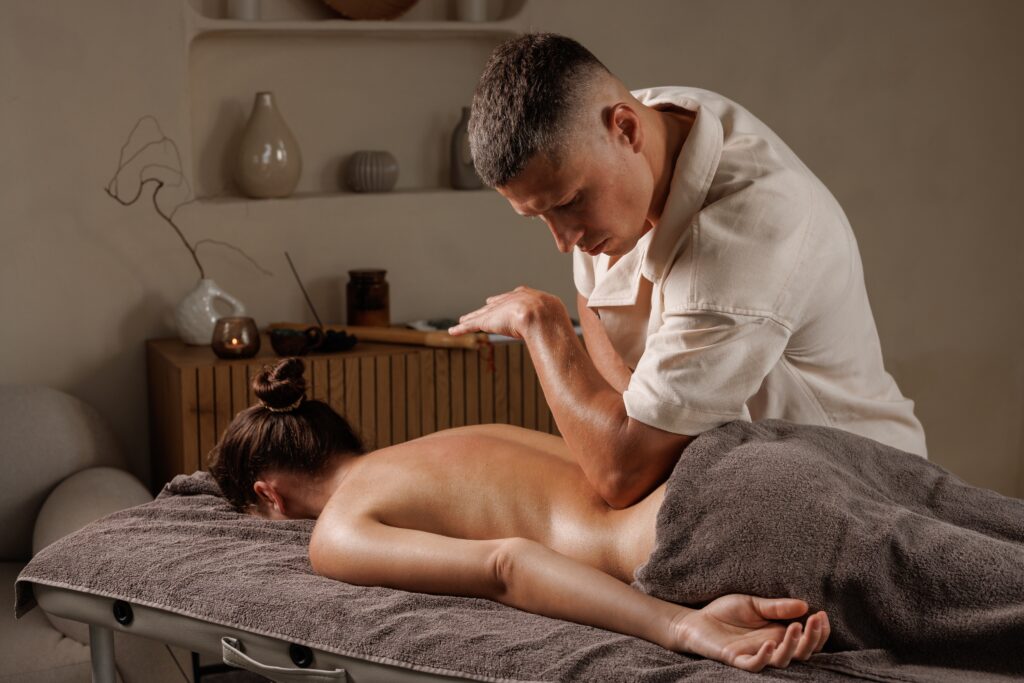
Massage therapy works by addressing many of the muscular restrictions contributing to hip tightness.
Techniques may help:
- Reduce muscle tension
- Improve circulation
- Encourage tissue flexibility
- Support movement efficiency
Research on massage techniques suggests that targeted soft tissue work may support relaxation and mobility in restricted tissues.
For people dealing with:
- Hip tightness
- Pelvic tightness
- Lower back stiffness
- Restricted movement
massage therapy may provide meaningful support as part of a larger mobility-focused routine.
Massage Can Help Alleviate Back Pain from Tight Hips
Tight hips can influence far more than the hips themselves. When mobility becomes restricted, the lower back often compensates, leading to discomfort, stiffness, and movement limitations that affect everyday life.
The good news is that these patterns are often manageable. Don’t live with the pain.
By improving mobility, increasing movement awareness, and addressing built-up tension through massage therapy, many people experience greater comfort and easier movement throughout the day.
Struggling with tight hips or ongoing lower back pain?
Contact our team here at Be Balanced Bodywork today to learn how massage therapy can help release the tension of tight hips, alleviate your back pain, and improve your overall mobility and comfort.
We look forward to hearing from you.
FAQs
Q: What causes tight hips?
A: Tight hips are commonly caused by prolonged sitting, reduced movement, repetitive posture patterns, and muscle imbalances.
Q: Can tight hips really cause lower back pain?
A: Yes. Restricted hip mobility can shift movement demands onto the lower back, contributing to stiffness and discomfort.
Q: How does massage help tight hips?
A: Massage helps reduce muscle tension, improve circulation, and support healthier movement patterns.
Q: How long does it take to relieve tight hips?
A: It varies depending on severity and consistency of care, but gradual improvements are often seen with regular movement habits and treatment.