Many adults experience tight hips after sitting for long periods, pushing through intense workouts, or simply keeping up with everyday life. Over time, that tightness can turn into stiffness, discomfort, and even limited mobility that affects how you move and feel throughout your day.
If you’ve noticed your hips feeling restricted, your lower back compensating, or simple movements becoming more difficult, you’re not alone. Tight hips and limited mobility are incredibly common– but the good news is that they’re also manageable.
This guide will walk you through what causes tight hips and how massage therapy for tight muscles can help restore flexibility, relieve discomfort, and help you move more freely again.
We’ll also look at simple ways for you to support hip mobility at home and when professional treatment can make a difference.
What Actually Causes Tight Hips and Limited Mobility?
Tight hips don’t usually happen overnight– they develop gradually from everyday movement patterns.
1. Prolonged Sitting
Sitting for extended periods shortens the hip flexor muscles and limits their natural range of motion. Over time, this creates stiffness and reduces mobility, especially in the front of the hips.
2. Repetitive Movement or Exercise
High-intensity workouts or repetitive movement patterns can cause muscle strain and tightness. Without proper recovery, those muscles can become overworked and restricted.
3. Stress and Tension
Stress doesn’t just affect your mind– it shows up in your body. Chronic stress can increase muscle tension, especially in areas like the hips, lower back, and shoulders.
These factors build over time, often leading to a gradual decrease in flexibility and ease of movement.
3 Signs Your Hip Mobility Is Becoming Limited
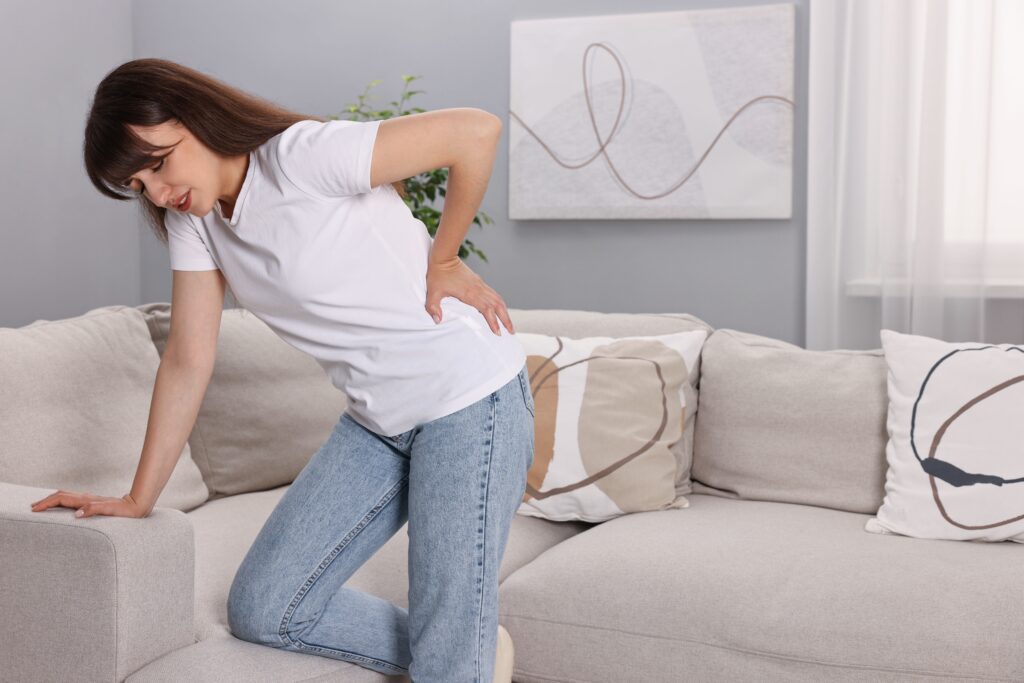
Your body often gives early warning signs when mobility begins to decrease.
- Stiffness in the hips or lower back
Movements like squatting, bending, or lunging begin to feel more limited.Ongoing tightness that doesn’t improve with stretching
Persistent discomfort or reduced range of motion can signal deeper muscle restriction. - Compensation in other areas
When hips are tight, the body often shifts strain to the lower back or knees, increasing the risk of pain or injury.
Recognizing these signs early can help you take action before tight hips become a more significant issue.
Simple Ways to Improve Hip Mobility at Home
Improving flexibility doesn’t require a complete lifestyle overhaul– small, consistent habits can make a meaningful difference.
Stay Consistently Active
Taking short walking breaks throughout the day helps keep your hips mobile and prevents stiffness from building up.
Focus on Posture
Maintaining a neutral spine when sitting and standing reduces unnecessary strain on your hips and supports better alignment.
Incorporate Daily Stretching
Gentle stretching and hip mobility exercises help improve flexibility, support joint health, and promote more comfortable movement.
These simple steps support your body’s ability to move more freely and complement other forms of care.
Effective Hip Mobility Exercises to Try
Adding targeted movements into your routine can help release tension and improve range of motion.
- Hip Flexor Stretch
This stretch helps open the front of the hips, especially after long periods of sitting. - Figure-Four Stretch
A great option for releasing tension in the glutes and outer hips. - Dynamic Movements (Leg Swings or Lunges)
These movements help warm up the hips, improve mobility, and encourage better movement patterns.
When practiced regularly, these exercises support muscle tension relief and help improve flexibility over time.
How Massage Therapy Helps Relieve Tight Muscles and Stiff Hips
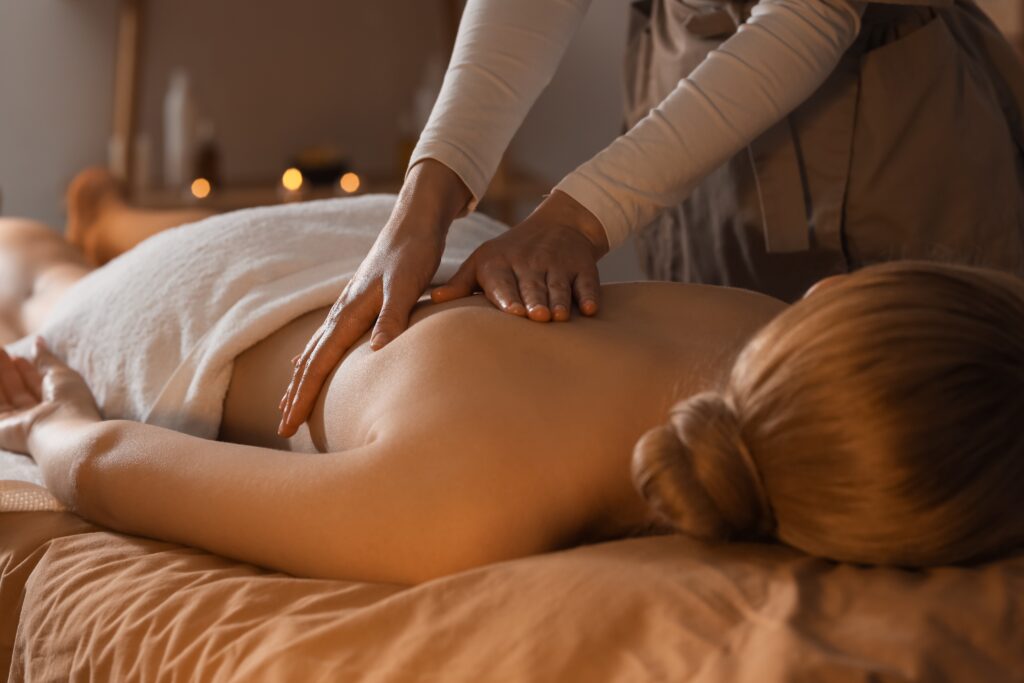
This is where massage therapy can play a key role.
While stretching is important, it often only addresses surface-level tension. Massage therapy works deeper, helping release restrictions that limit movement.
Releases Deep Muscle Tension
Massage uses targeted pressure to reach deeper layers of muscle tissue, helping reduce chronic tightness.
Improves Circulation
Better blood flow delivers oxygen and nutrients to muscles, supporting recovery and reducing stiffness.
Restores Natural Muscle Length
Massage helps muscles return closer to their natural resting length, improving flexibility and ease of movement.
Breaks Up Adhesions
Over time, tight or “sticky” areas in the muscle can form. Massage helps release these adhesions, improving mobility and reducing discomfort.
If you’re considering massage, you may also find it helpful to explore our deep tissue massage page here.
Massage therapy isn’t just about relaxation– it’s a powerful tool for restoring movement and supporting long-term wellness.
Why Massage Works Better Than Stretching Alone
Stretching is helpful, but it has its limits.
Massage therapy:
- Targets deeper layers of muscle tissue
- Helps calm the nervous system
- Addresses imbalances that stretching alone cannot fix
By combining stretching with massage therapy for tight muscles, you create a more complete approach to improving flexibility and mobility.
Key Long-Term Benefits of Improving Hip Flexibility
Improving hip mobility does more than reduce discomfort– it supports overall movement and long-term health.
Better Posture and Alignment
When hips move properly, the pelvis and spine stay aligned, reducing strain throughout the body.
Reduced Risk of Injury
Greater flexibility allows the body to handle movement more efficiently, lowering the risk of strain or injury.
Improved Movement and Performance
Better mobility leads to smoother, more natural movement patterns.
Less Strain on Other Areas
When hips function well, the body relies less on the lower back and knees, reducing overall tension.
According to the Mayo Clinic, massage therapy plays an important role in improving flexibility and reducing muscle tension.
How to Create a Routine That Keeps You Moving
A sustainable routine is the key to long-term results.
- Combine stretching, strengthening, and massage therapy
- Stay consistent with movement throughout the week
- Schedule regular sessions to support recovery
Research shows that consistent soft tissue work can improve flexibility and reduce muscle stiffness over time.
When you create a routine that supports your body, mobility becomes easier to maintain.
Let Massage Therapy Improve Your Limited Mobility
Tight hips and limited mobility are incredibly common– but they don’t have to be permanent.
With the right combination of movement, awareness, and massage therapy, you can restore flexibility, reduce discomfort, and move with greater ease.
If you’re looking to move more freely and ease tight, stiff muscles, booking a session at Be Balanced Bodywork can help support flexibility, reduce discomfort, and improve how you feel day to day.
FAQs
Q: What causes tight hips?
A: Tight hips are often caused by prolonged sitting, repetitive movement, and muscle imbalances related to posture.
Q: Can massage therapy help with hip pain relief?
A: Yes. Massage improves circulation, reduces muscle tension, and supports flexibility.
Q: How often should I get massage therapy for tight muscles?
A: Most people benefit from sessions every 2–4 weeks, though more frequent sessions may help with chronic tightness.
Q: Do hip mobility exercises really work?
A: Yes. When done consistently, they improve flexibility and work even better when combined with massage therapy.