When stress builds up in the body, it doesn’t just stay in the mind.
You may feel it in your chest. Your shoulders may creep up toward your ears. Your breathing may feel shallow. Your sleep may get lighter. Your patience may feel thinner. Even your energy throughout the day can start to feel harder to manage.
That is the mind-body connection at work.
For many people, stress and anxiety aren’t just emotional– they show up physically too. That’s one reason massage therapy can play a meaningful role in supporting both mental and physical well-being.
Massage is not a replacement for medical or mental health care when professional treatment is needed. But it can be a supportive wellness tool for people who are feeling tense, overwhelmed, emotionally drained, or stuck in “go mode.”
Here in Grand Rapids, where busy schedules, work stress, family responsibilities, and seasonal changes can all add up, taking time to slow down can be more than a luxury. It can be part of caring for your whole self.
This guide will explore how massage therapy may help with stress relief, anxiety relief, nervous system regulation, muscle tension relief, and improved mood over time.
How Stress Shows Up in the Body and Mind
Stress isn’t just something you think about– it’s something your body responds to.
When your brain senses pressure, uncertainty, or overwhelm, your body prepares to react. This is helpful in short bursts. But modern stress often lasts much longer than the body was designed to handle.
Over time, stress can affect:
- Muscle tension
- Breathing patterns
- Sleep quality
- Digestion
- Energy levels
- Mood
- Focus
- Pain sensitivity
- Your ability to relax
You may notice stress showing up as:
- Tight shoulders
- Neck tension
- Jaw clenching
- Headaches
- Restlessness
- Fatigue
- Shallow breathing
- Trouble falling asleep
- Feeling “on edge”
- Difficulty slowing down
For some people, stress feels like racing thoughts while for others, it feels like a heavy body, tight muscles, or emotional exhaustion.
Most of the time, it is both.
This is why the mind-body connection matters. The way you feel emotionally can influence your body, and the way your body feels can influence your mood.
Mayo Clinic notes that massage therapy may help reduce stress, lessen pain and muscle tightness, and increase relaxation as part of an integrative approach to care. You can read more from Mayo Clinic here.
Why Chronic Stress Can Affect Mood and Energy
While short-term stress can help you stay focused, chronic stress is different.
When stress stays high for too long, your body may have a harder time coming back down. Your nervous system can start to feel overworked, which may make it harder to rest, recover, or feel emotionally steady.
This can contribute to feelings like:
- Irritability
- Low mood
- Emotional overwhelm
- Trouble focusing
- Burnout
- Fatigue
- Anxiety
- Feeling disconnected from your body
- Trouble enjoying normal routines
If you have ever felt exhausted but unable to fully relax, that is a common sign of stress overload.
Your body may still be acting like it needs to stay alert, even when you are technically safe. This is where nervous system regulation becomes important.
Nervous system regulation simply means helping the body shift back toward balance. Instead of staying stuck in a stress response, the body gets more chances to return to a calmer state.
That calmer state can support:
- Slower breathing
- Less muscle guarding
- More emotional steadiness
- Better sleep
- Improved focus
- A stronger sense of ease
Massage therapy can help by signaling to your body that it’s time to slow down and relax.
How Massage Therapy Supports Relaxation and Emotional Balance
Massage therapy supports relaxation by working with the body directly.
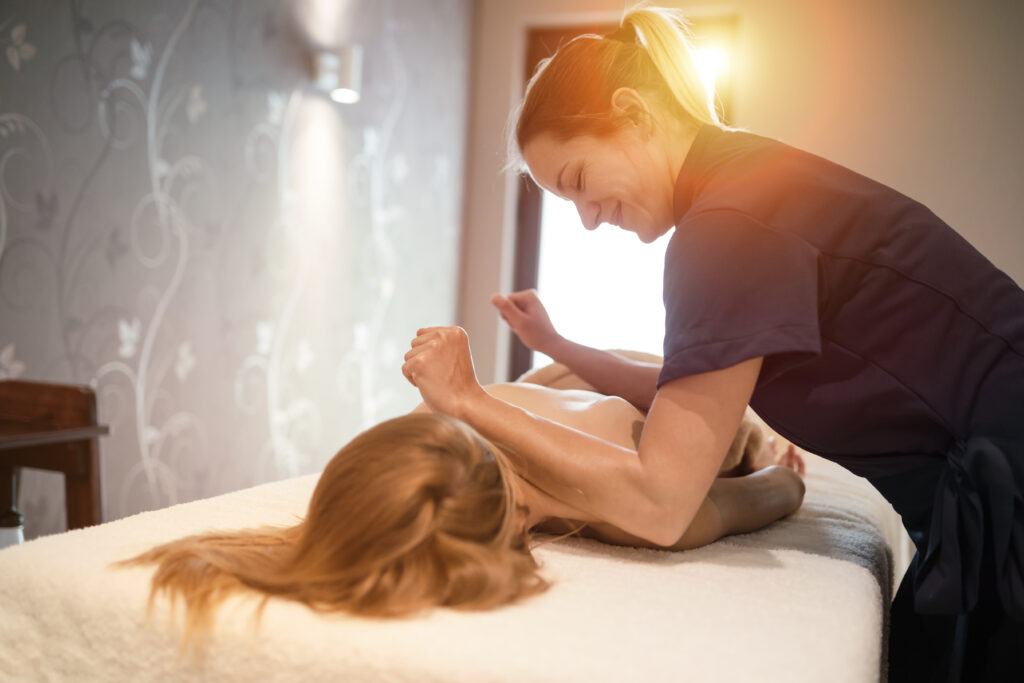
During a massage, gentle and intentional touch can help tight muscles soften, breathing slow down, and the body settle. For many people, this creates a sense of calm that is hard to access during a busy day.
Therapeutic massage may help by:
- Reducing muscle tension
- Encouraging deeper breathing
- Supporting stress relief
- Helping the body feel grounded
- Promoting relaxation
- Improving body awareness
- Creating a quiet pause in the week
Massage also creates space where you don’t have to multitask or push through your day. That alone can be powerful.
Many people leave a massage session feeling:
- Lighter
- Calmer
- Less tense
- More rested
- More connected to their body
- More emotionally settled
Research on massage and anxiety is still developing, and results can vary. One randomized controlled trial on therapeutic massage for generalized anxiety disorder found that massage, thermotherapy, and a relaxing-room treatment all showed meaningful improvements, likely connected to a general relaxation response. Massage was not superior to the other relaxing treatments in that study, which is a helpful reminder that relaxation itself can be deeply important. You can view the study on PMC here.
In everyday terms, massage therapy may help because it gives your body a chance to stop bracing.
Nervous System Regulation and the “Rest Mode” Response
Your nervous system moves between different states throughout the day.
One state is called “stress mode.” This is when your body is alert, ready, tense, or activated.
Another state is “rest mode.” This is when your body feels safer, calmer, and more able to recover.
You might think of it this way:
- Stress mode helps you respond.
- Rest mode helps you recover.
Both are normal and useful. The problem happens when stress mode stays switched on for too long.
Massage therapy may help encourage the body’s relaxation response. During a session, the combination of touch, stillness, steady breathing, and a calm environment can help the body shift away from tension and toward ease.
That shift may support:
- Slower breathing
- Lower physical tension
- A calmer mental state
- Less muscle guarding
- Better awareness of where stress is held
- A deeper sense of rest
This is where muscle tension relief and emotional relief often overlap. When the body softens, the mind may feel like it has more room to breathe too.
To learn more about how the body responds to massage therapy, check out our Be Balanced Bodywork guide on how massage therapy can support nervous system regulation and muscle tension relief.
The Connection Between Massage, Mood, and Sleep
Stress, mood, and sleep are closely connected.
When stress is high, sleep, mood, and energy often suffer together. Then the body has less capacity to handle stress the next day.
It can become a frustrating cycle:
- Stress builds during the day.
- Muscles stay tense at night.
- Sleep becomes lighter or more restless.
- Energy drops the next morning.
- Mood feels more sensitive.
- Stress feels harder to manage.
Massage therapy may help support this cycle by encouraging relaxation and reducing physical tension before it turns into deeper fatigue.
Many people find that after a massage, they feel more ready for rest. Their breathing feels easier, their body feels less guarded, and their mind feels a little quieter.
Better sleep can support:
- Improved mood
- Better focus
- More patience
- More energy
- Emotional recovery
- Physical recovery
- Less sensitivity to stress
Mayo Clinic Press notes that massage may support relaxation and that studies suggest people often report improved overall well-being after massage. It also emphasizes that massage should not replace standard medical care when that care is needed. You can read more from Mayo Clinic Press here.
If sleep is one of the main ways stress shows up for you, we have a helpful guide on what massage therapy can do for sleep recovery.
Why Consistency Matters for Long-Term Benefits
A single massage can help you relax, reduce tension, and feel more grounded.
But if stress is a regular part of your life, consistency often matters.
One session can help your body experience relief. Ongoing sessions may help your body become more familiar with that relaxed state over time.
Consistent therapeutic massage may support:
- Better stress management
- Less recurring muscle tension
- Improved relaxation habits
- Better body awareness
- More regular recovery time
- A stronger self-care routine
Think of massage as one part of your wellness routine, not the whole plan by itself.
Long-term stress relief is usually supported by several habits working together, such as:
- Getting enough sleep
- Moving your body regularly
- Taking breaks during the day
- Drinking enough water
- Practicing gentle breathing
- Setting realistic boundaries
- Spending time away from screens
- Scheduling massage before stress becomes severe
Massage works best when it supports the rest of your life.
For example, if you come in for a massage but continue sitting for ten hours a day without breaks, your body may tighten back up quickly.
But if you pair massage with small changes, like stretching gently, walking more often, and taking screen breaks, the benefits may last longer.
Simple Ways to Support Calm Between Massage Sessions
Massage can give your body a reset, but small daily habits can help you stay connected to that calmer feeling.
You do not need a complicated wellness routine. Start with simple things you can actually repeat.
Try these small resets:
- Take three slow breaths before checking your phone.
- Let your shoulders drop when you notice tension.
- Step outside for a few minutes of fresh air.
- Stretch your neck gently after desk work.
- Take short walking breaks during the day.
- Unclench your jaw when stress builds.
- Keep your bedtime routine as calm as possible.
- Schedule quiet time before your week gets too full.
These small habits remind your body that it doesn’t have to stay in stress mode all day.
They also make massage therapy more effective because your body gets more chances to practice relaxation between sessions.
When to Seek Extra Support
Massage therapy can be a supportive tool for stress relief and emotional wellness, but it is not a replacement for professional mental health care.
If anxiety, low mood, panic, or emotional distress is affecting your daily life, it is important to reach out to a qualified healthcare or mental health professional.
You may want extra support if you are experiencing:
- Frequent panic symptoms
- Ongoing anxiety
- Persistent sadness
- Trouble functioning day to day
- Major sleep disruption
- Loss of interest in normal activities
- Feelings of hopelessness
- Stress that feels unmanageable
Massage can still be part of your care routine, but it should work alongside the right professional support.
At Be Balanced Bodywork, we’re a West Michigan leader in massage focused on helping you feel more comfortable, supported, and connected to your body in a safe and respectful way.
Let Us Help You Reduce Your Anxiety Today
Massage therapy can play a supportive role in reducing stress, easing physical tension, encouraging anxiety relief, and improving overall mood.
By helping the body shift out of a stress-focused state and into a calmer one, massage may support both physical and emotional well-being.
Stress doesn’t only affect your thoughts. It can show up in your shoulders, your breathing, your sleep, and your energy. Paying attention to those signals can help you care for your body before stress becomes overwhelming.
If stress, anxiety, or tension is affecting your daily life, let our team here at Be Balanced Bodywork help. Reach out to us today to learn how massage therapy can support your overall well-being, alleviate anxiety, and improve your mood.
FAQs
Q: Can massage therapy help with anxiety?
A: Yes, massage therapy may help support anxiety relief by encouraging relaxation, reducing physical tension, and helping the body shift into a calmer state. It should not replace mental health care when professional support is needed.
Q: How does massage reduce stress?
A: Massage may help reduce stress by easing muscle tension, supporting slower breathing, and encouraging the body’s relaxation response.
Q: Can massage improve mood?
A: Many people report improved mood after massage because they feel less tense, more relaxed, and more connected to their body.
Q: How often should I get massage therapy for stress relief?
A: Frequency varies by individual, but consistent sessions may help support long-term stress management and relaxation benefits. A massage therapist can help recommend a schedule based on your needs and goals.