Research shows that muscle soreness and mobility restrictions can linger long after the initial pain of an injury begins to fade, especially for athletes returning to training too soon. In other words, feeling “better” doesn’t always mean your body has fully recovered.
That’s why so many athletes and active individuals become frustrated during the healing process. The sharp pain may improve, but stiffness, tightness, reduced mobility, and lingering discomfort often remain.
An injury can keep you away from the activities you love, but recovery doesn’t end once the pain starts to disappear. In many ways, recovery is where the real work begins.
This is where a recovery massage may become an important part of the process. By helping reduce muscle tension, improve circulation, and support mobility, massage therapy can assist the body as it works through the physical challenges that often follow injury or overuse. This guide explores how recovery massage supports healing and why many athletes make it part of their overall recovery plan.
Why Recovery Can Feel Slow After an Injury
One of the most frustrating aspects of recovery is that pain relief and healing are not always the same thing.
Many athletes notice that even after sharp pain improves, stiffness, tightness, and reduced mobility can still linger.
You may notice:
- Decreased pain levels
- Improved daily function
- Increased movement ability
Yet still experience:
- Tightness
- Reduced flexibility
- Limited mobility
- Muscle soreness
This happens because injuries often affect more than the injured tissue itself.
When one area is injured, surrounding muscles often compensate by working harder to protect it. These muscles may tighten to protect the area, creating additional tension and movement restrictions.
Reduced activity during recovery can also contribute to:
- Joint stiffness
- Muscle shortening
- Decreased flexibility
- Loss of mobility
This is why athletic injury recovery often takes longer than expected. The body isn’t just healing damaged tissues– it’s also working to restore normal movement patterns.
Massage therapy can help support this process by addressing the tension and restrictions that often develop along the way.
What Happens to Muscles During Recovery
When the body experiences injury, it naturally tries to protect itself.
One way it does this is through a response called muscle guarding.
Muscle guarding is when muscles around an injury automatically tighten to limit movement and protect the area.
While this protective mechanism is helpful initially, it can create challenges during recovery.
Over time, muscle guarding may:
- Restrict range of motion
- Increase stiffness
- Create movement compensations
- Contribute to lingering soreness
For example, a runner recovering from a hip injury may develop lower back or opposite leg tightness as those muscles compensate.
Similarly, a shoulder strain may lead to neck tightness as surrounding muscles have take on additional load.
This tension is a normal part of healing– but it can make movement feel restricted even after the injury itself begins improving.
Supporting muscle repair after exercise or injury often requires addressing these secondary tension patterns as well.
How a Recovery Massage Can Support the Healing Process
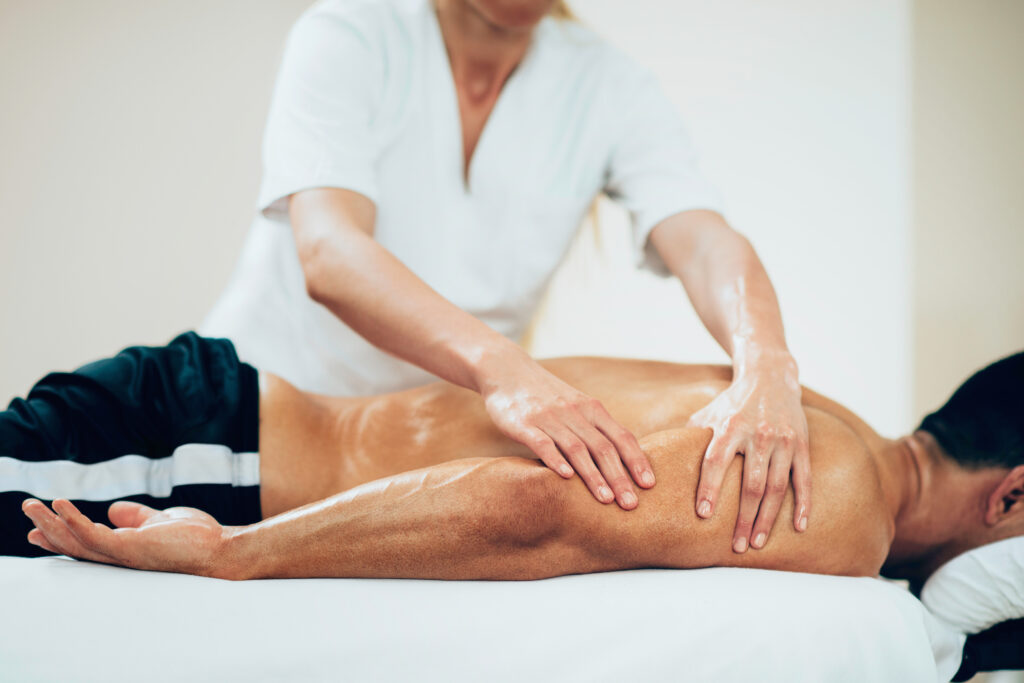
A recovery massage is designed to help the body move more comfortably during the healing process by reducing tension and supporting mobility.
Unlike performance-focused massage sessions, recovery massage emphasizes:
- Tension reduction
- Mobility support
- Circulation improvement
- Comfort during healing
One of the most significant benefits of massage therapy is its ability to release built-up muscle tension surrounding injured or stressed tissues.
Research published through the National Institutes of Health suggests massage therapy may positively influence muscle recovery, soreness, and physical restoration after exercise and injury-related stress.
Massage may help support healing by:
Improving Circulation
Healthy blood flow delivers oxygen and nutrients to recovering tissues while helping remove metabolic waste products.
Reducing Muscle Tightness
Relaxing surrounding muscles can decrease strain on injured areas and improve comfort.
Supporting Mobility
Reduced tension often allows joints and muscles to move more freely.
Encouraging Relaxation
When the nervous system feels calmer, muscles are often more willing to release chronic tension patterns.
It’s important to remember that massage works best as part of a larger recovery plan that may include:
- Stretching
- Rehabilitation exercises
- Movement therapy
- Medical guidance when necessary
Supporting Recovery Between Workouts
You don’t need a major injury to benefit from recovery-focused massage therapy.
In fact, many athletes seek massage before small problems become larger ones.
Training itself creates stress on the body. Activities such as:
- Running
- Weightlifting
- Cycling
- CrossFit
- Endurance sports
all create small amounts of tissue stress that require recovery.
As training volume increases, post workout muscle recovery becomes increasingly important.
Minor strains, soreness, and tightness can accumulate over time if they aren’t addressed properly.
Recovery massage may help:
- Reduce lingering soreness
- Improve movement quality
- Address tight muscles early
- Support more comfortable training
Many active individuals find that addressing these issues early helps them return to future workouts feeling better prepared.
For a deeper look at mobility and flexibility, check out our guide on Tight Hips & Limited Mobility: How Massage Therapy Improves Flexibility and Movement.
When a Recovery Massage May Be Worth Considering
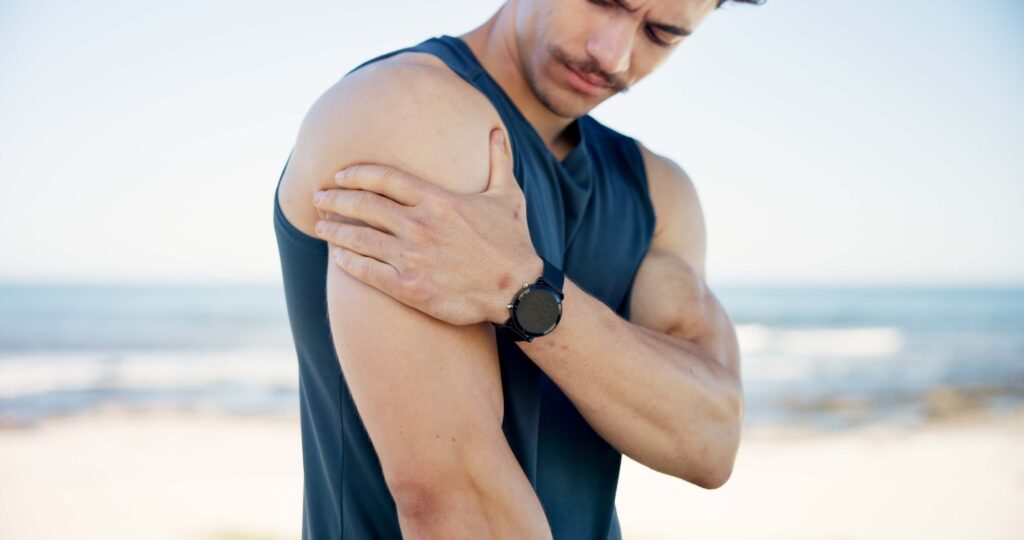
Every athlete’s recovery needs are different.
While every recovery journey is different, some signs may indicate that additional recovery support could be beneficial.
Recurring Soreness
If soreness consistently lingers longer than expected after activity, massage may help address underlying tension patterns.
Restricted Movement
Tight muscles often limit mobility and make movement feel less natural.
Recovery Plateaus
Sometimes progress slows because surrounding muscles remain guarded or tight.
After Intense Training Cycles
Heavy training blocks often create accumulated tension that benefits from focused recovery work.
Following Minor Strains
Massage can support comfort and mobility during the healing process when used appropriately.
Recovery needs vary depending on:
- Training volume
- Activity type
- Injury history
- Overall stress levels
One of the biggest mistakes active individuals make is treating recovery as an afterthought.
In reality, recovery is a crucial part of athletic progress.
Making Massage Part of Your Routine
Many people think massage is only something you schedule after an injury.
In reality, recovery massage works best when viewed as both:
Reactive Care
Helping the body recover after injury, soreness, or physical setbacks.
Proactive Care
Maintaining mobility, reducing tension, and supporting healthy movement patterns before problems become severe.
Consistency often matters more than intensity.
For many athletes, a regular schedule helps:
- Manage tension
- Improve comfort
- Support physical recovery
- Maintain mobility
The ideal frequency depends on:
- Training demands
- Recovery goals
- Previous injuries
- Individual needs
Professional guidance can help determine what schedule makes the most sense for your body.
The Mental Side of Physical Recovery
Recovery isn’t purely physical.
Injuries often affect:
- Motivation
- Confidence
- Mood
- Stress levels
Many athletes find themselves frustrated when recovery takes longer than expected.
Massage therapy may provide benefits beyond physical relief by creating dedicated time for recovery and self-care.
Research examining massage and rehabilitation has suggested that massage may support both physical recovery and psychological well-being during periods of reduced activity.
This mind-body connection is one reason many athletes find massage helpful throughout the healing process.
What the Research Says About Recovery Massage
The growing body of research surrounding recovery massage continues to support its value as a complementary recovery tool.
Studies examining athletic recovery have found potential benefits including:
- Reduced muscle soreness
- Improved perceptions of recovery
- Better circulation
- Improved comfort during rehabilitation
A systematic review published through the National Institutes of Health noted that massage therapy may support recovery outcomes and help athletes manage the physical demands of training and exercise.
While massage is not a replacement for medical treatment, it can be a valuable addition to a comprehensive recovery plan.
Use Massage to Heal from Athletic Injuries
Recovering from an injury often involves more than simply waiting for pain to disappear. Muscle tightness, movement restrictions, soreness, and compensation patterns can linger long after the initial injury begins to heal.
A recovery massage can help support athletic injury recovery by reducing tension, improving circulation, encouraging mobility, and helping the body feel more comfortable throughout the healing process.
Whether you’re working through a recent setback or simply managing the demands of an active lifestyle, massage therapy can play an important role in helping your body recover more effectively.
Still feeling sore after an injury? Contact our experienced team here at Be Balanced Bodywork to learn how our massage services can support your healing from athletic injuries and help you get back to doing what you love.
FAQs
Q: What is a recovery massage?
A: A recovery massage is a form of therapeutic bodywork designed to help reduce muscle tension, improve circulation, and support the body’s healing process after physical activity or injury.
Q: Can massage help athletic injury recovery?
A: Massage may help support recovery by reducing muscle tightness, improving comfort, and encouraging healthier movement patterns during the healing process.
Q: Is recovery massage only for athletes?
A: No. Anyone experiencing muscle soreness, physical strain, or recovery challenges after activity can benefit from recovery-focused massage therapy.
Q: How often should athletes get a recovery massage?
A: The ideal frequency depends on training intensity, recovery goals, and individual needs. Many active individuals incorporate massage regularly as part of their recovery routine.