Do you have a muscle that always feels tight, no matter how much you stretch it out?
Maybe it’s a spot in your shoulder that keeps coming back, your neck feels stiff by the end of every workday, or you have a sore area in your back or hip that feels like a “knot” under the skin.
That lingering sore spot may be more than everyday muscle tightness. It could be a trigger point, which is a common source of muscle pain, stiffness, and restricted movement.
Many people use the terms “muscle knots” and “trigger points” interchangeably. That makes sense because they can feel very similar. But trigger points involve more than everyday tightness.
They are specific, sensitive spots in muscle tissue that may contribute to pain in that area or even send discomfort somewhere else in the body.
This guide will explain what trigger points are, why they develop, how they can contribute to referred pain, and when massage therapy may help.
What Are Trigger Points?
Trigger points are small, sensitive areas that develop within tight bands of muscle tissue. Many people describe them as muscle knots because they can feel like a firm, tender, or rope-like spot in the muscle.
Healthcare professionals often refer to them as myofascial trigger points. “Myo” refers to muscle, and “fascia” refers to the connective tissue that surrounds and supports muscles throughout the body.
A trigger point may feel:
- Tender when pressed
- Tight or firm under the skin
- Sore even when you are resting
- More painful during certain movements
- Like it limits your normal range of motion
- Like it keeps coming back, even after stretching
Trigger points are a recognized area of study in musculoskeletal health. The American Academy of Family Physicians describes trigger points as sensitive spots in tight bands of skeletal muscle that can cause local pain and referred pain patterns. Read more from AAFP here.
In simple terms, a trigger point is not just “a sore spot.” It is an irritated area of muscle that may affect how that muscle moves, relaxes, and communicates pain.
Why Can a Trigger Point Hurt Somewhere Else?
One of the most confusing things about trigger points is that the pain is not always felt where the problem actually starts.
This is called referred pain.
For example, a trigger point in the shoulder may contribute to discomfort that travels into the neck. A trigger point in the upper back may create pain that feels like it spreads across the shoulder blade. A trigger point in the hip may contribute to discomfort that moves into the lower back or leg.
Referred pain can feel like:
- Aching in a nearby area
- Pain that travels or spreads
- A dull, deep soreness
- Tightness that seems hard to locate
- Discomfort that returns in the same pattern
This is one reason trigger points can be tricky to identify without proper assessment. You may keep rubbing the spot that hurts, but the source of the tension may be somewhere nearby.
A comprehensive review of trigger point theory explains that myofascial trigger points are often associated with pain patterns, including pain that may show up away from the original muscle area. Read the review on PMC here.
That does not mean every ache or pain is caused by a trigger point. But it does mean that when muscle pain keeps returning, it can be helpful to look at the bigger movement pattern instead of only focusing on one sore spot.
Why Do Trigger Points Develop?
Trigger points usually do not develop from one single cause. More often, they build over time because of everyday habits, stress, movement patterns, or previous strain.
Common causes may include:
- Repetitive movements
- Prolonged sitting
- Poor posture
- Muscle overuse
- Stress
- Previous injuries
- Lack of movement
- Not enough recovery time
- Sleeping in awkward positions
- Carrying bags or children on one side
Think about a typical day. You may sit at a desk for hours, look down at your phone, or drive through Grand Rapids traffic. Then you go to bed in a position that keeps your neck slightly twisted while carrying the day’s stress in your shoulders.
One of those things may not cause a trigger point on its own. But repeated over time, those small patterns can add up.
Muscles are designed to contract and relax. When the tissue stays contracted for too long, it may become more sensitive, less flexible, and more prone to discomfort. Over time, ongoing muscle tension may contribute to tight bands of tissue and irritated spots within the muscle.
This is why trigger points are often connected to muscle overload. The muscle has been asked to do too much, hold too long, or recover too little.
Where Do Trigger Points Commonly Develop?
Trigger points can develop in many areas of the body, but some muscles are more prone to them because of posture, repetitive movement, or daily stress.

Common areas include:
- Neck
- Shoulders
- Upper back
- Lower back
- Hips
- Glutes
- Calves
- Jaw
- Chest
- Forearms
For many people, the neck, shoulders, and upper back are especially prone problem areas. These muscles often work hard during desk work, driving, phone use, lifting, and stress.
You may notice muscle knots in these areas if you:
- Work at a computer most of the day
- Spend a lot of time looking down at your phone
- Carry stress in your shoulders
- Exercise without enough recovery
- Do repetitive work with your arms or hands
- Sit for long periods
- Sleep with your neck at an awkward angle
Trigger points can affect active people and desk workers alike. Someone who works out regularly may develop trigger points from overuse or heavy training. Someone who sits most of the day may develop them from lack of movement and prolonged posture.
Different lifestyles, same result: tight muscles that need attention.
Managing Muscle Knots and Ongoing Muscle Tension
If you have a stubborn muscle knot, your first instinct may be to stretch. Stretching can help, but it may not be enough on its own, especially if the underlying cause is still there.
For example, if your shoulders are tight from sitting at a computer all day, stretching for 30 seconds may feel good temporarily. But if your workstation, posture, stress, and movement habits never change, the tension may come right back.
Helpful self-care strategies may include:
- Gentle stretching
- Regular movement breaks
- Foam rolling
- Heat therapy
- Hydration
- Better posture habits
- Slow breathing during stress
- Rest after intense activity
- Light mobility work
- Avoiding long periods in one position
Instead of forcing a muscle to relax, focus on creating the right conditions for it to recover.
A few simple habits can make a big difference:
- Stand up every 30 to 60 minutes
- Change positions during the day
- Keep your screen closer to eye level
- Relax your shoulders when you notice them lifting
- Stretch gently after driving or desk work
- Give sore muscles time to recover
- Use heat on tight areas when it feels helpful
Trigger point therapy and trigger point massage may also be beneficial when muscle knots keep returning or begin interfering with daily life. Massage can help address muscle tension more directly by working into tight areas, improving circulation, and encouraging the muscle to release.
When Is It Time to Seek Professional Help?
Occasional muscle tightness is common, especially after stress, exercise, travel, or a long day of sitting.
But recurring pain is different.
It may be time to seek professional help if you notice:
- Muscle knots that keep coming back
- Pain that does not improve with home care
- Limited range of motion
- Discomfort that affects sleep
- Pain that interferes with work or daily activities
- Tightness that spreads into nearby areas
- Ongoing stiffness despite stretching
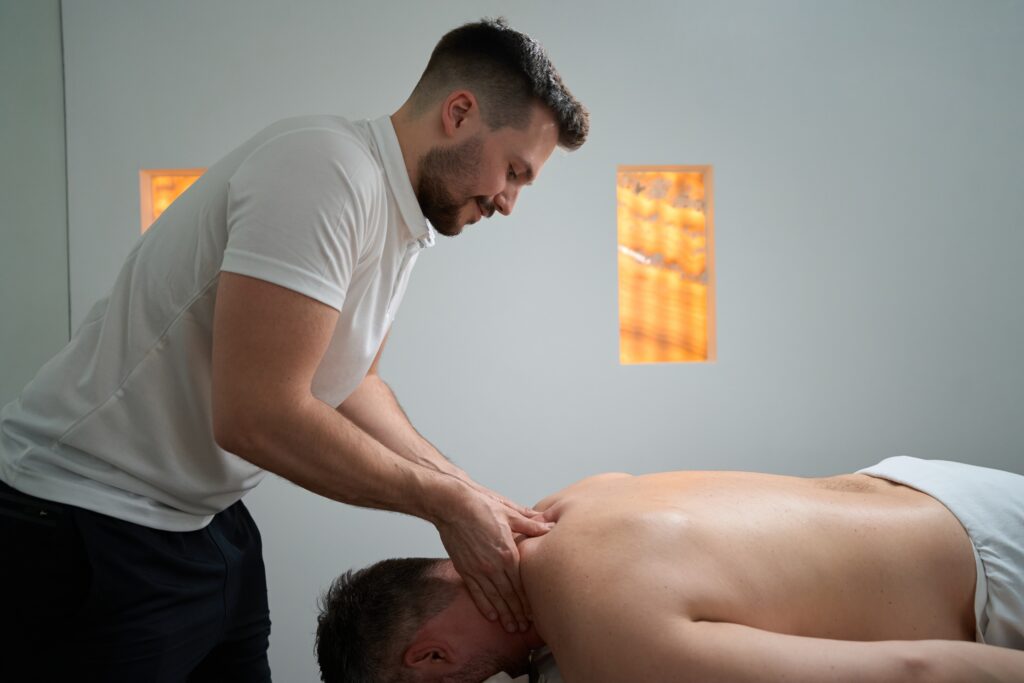
A massage therapist can help identify areas of muscle tension and determine whether trigger points may be contributing to your discomfort. This can reduce some of the guesswork that comes with trying to manage persistent muscle pain on your own.
Personalized treatment matters because not every muscle knot needs the same approach. Some areas respond well to gentle work. Others may benefit from more focused trigger point therapy. A skilled therapist can adjust pressure, pace, and technique based on what your body needs that day.
Interested in learning more about trigger point massage? Explore Be Balanced Bodywork’s guide to trigger point massage to see how this technique may help relieve muscle tension and improve mobility.
If you are trying to decide which massage style is right for you, Be Balanced also has a helpful guide on choosing the best massage for your needs.
How Trigger Point Massage May Help
Trigger point massage focuses on areas of tightness, tenderness, and restricted muscle tissue. The therapist may apply steady pressure, use slow strokes, or combine techniques to help the muscle relax.
This type of therapeutic massage may help by:
- Reducing muscle tension
- Improving local circulation
- Supporting better mobility
- Helping tight muscles relax
- Easing discomfort from muscle knots
- Addressing areas connected to referred pain
- Supporting better body awareness
Trigger point massage shouldn’t feel like someone is pushing as hard as possible because more pressure isn’t always better.
The work should feel focused and therapeutic, but still within your comfort level. Some tenderness may happen, especially in sensitive areas, but you should be able to breathe, relax, and communicate with your therapist throughout the session.
A good massage therapist will check in and adjust based on how your body responds.
Conclusion: Understanding Trigger Points and Getting Support
Trigger points are more than everyday muscle knots. They are sensitive areas within tight muscle tissue that may contribute to pain, stiffness, reduced mobility, and referred pain in other parts of the body.
They often develop from everyday patterns like stress, poor posture, prolonged sitting, and muscle overuse.
While some trigger points may improve with stretching, movement, and self-care, others may continue to return if the deeper source of muscle tension is not addressed.
The good news is that you do not have to figure it all out alone. Paying attention to recurring muscle tension, improving daily movement habits, and seeking professional support can all help you feel more comfortable in your body.
If recurring muscle knots or trigger points are affecting your comfort or movement, our team here at Be Balanced Bodywork can help.
Contact us today to book an appointment and see firsthand how personalized massage therapy can help you say goodbye to trigger points and muscle knots. Let’s get you booked– you deserve it.
FAQs
Q: What are trigger points?
A: Trigger points are small, sensitive areas that develop within tight bands of muscle tissue. They may contribute to localized pain or referred pain in another area of the body.
Q: What causes trigger points to develop?
A: Common contributing factors include repetitive movements, poor posture, prolonged sitting, muscle overuse, stress, and previous injuries.
Q: Can trigger points go away on their own?
A: Some trigger points may improve with rest, stretching, movement, or self-care. Others may continue to return if the underlying causes of muscle tension are not addressed.
Q: Can massage therapy help with trigger points?
A: Trigger point therapy and other massage techniques may help reduce muscle tension, improve mobility, and support relief from ongoing muscle discomfort.