If your body feels exhausted but your mind won’t slow down at night, you’re not alone. Many people in Grand Rapids and beyond find themselves lying in bed, physically tired but mentally wired– unable to fully relax or drift into sleep.
Modern life makes it easy for the nervous system to stay “on” long after the day ends. Work stress, constant stimulation, and daily responsibilities can leave your body tense and your mind racing– making it harder to fall asleep, stay asleep, or reach the deep, restorative rest your body needs.
The good news is that massage for sleep offers a natural, effective way to help your body shift out of stress mode and into relaxation. By calming the nervous system and easing physical tension, massage therapy can help you create the conditions your body needs for better sleep.
Why Your Nervous System May Be Keeping You Awake
Your body is designed to move between two key states:
- Fight-or-flight (stress mode)
- Rest-and-digest (relaxation mode)
When you’re under stress– whether physical, mental, or emotional– your body stays in a heightened state of alertness. This means elevated cortisol levels, increased muscle tension, and a nervous system that doesn’t fully power down at night.
Over time, this can create a cycle where:
- Muscles stay slightly contracted
- Breathing remains shallow
- The mind stays active
- Sleep becomes harder to access
Ongoing tension, especially in areas like the neck, shoulders, jaw, and hips, can make it difficult to get comfortable or stay asleep. Mental stress also shows up physically– as headaches, tightness, and discomfort– all of which can make sleep harder to achieve– making massage for sleep problems a helpful solution
This is where mind and body wellness becomes essential. Addressing both physical tension and mental stress is key to restoring natural sleep patterns.
How Massage Helps Your Body Shift Into Relaxation Mode
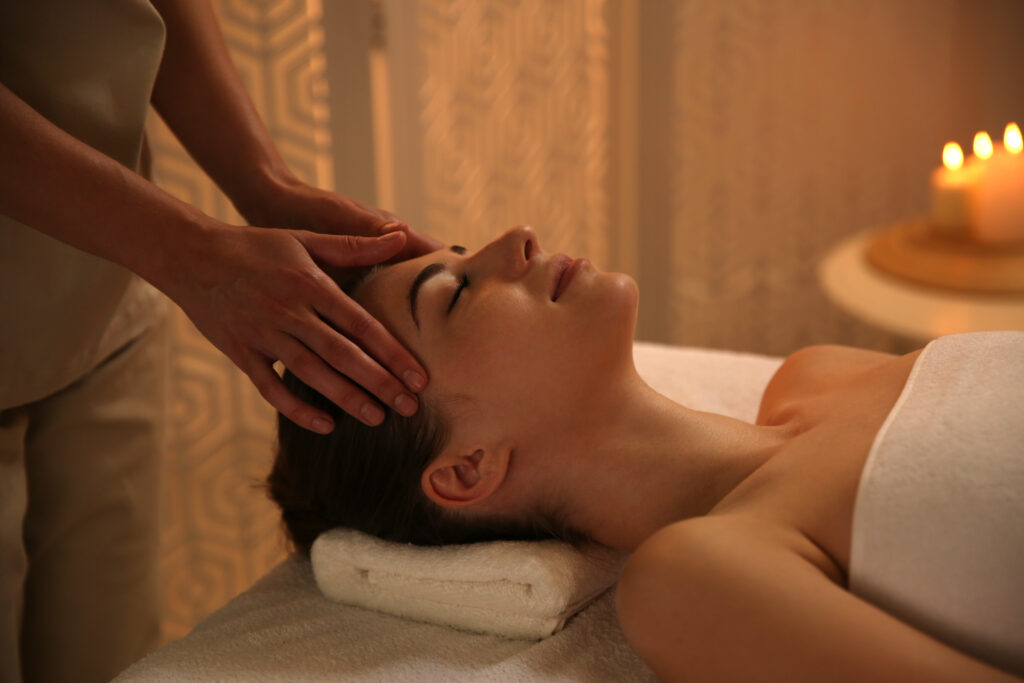
Massage therapy works by sending signals of safety to your nervous system. Slow, intentional touch tells your body that it can let go of tension and move out of stress mode.
As this shift happens:
- Heart rate slows
- Breathing deepens
- Muscles release
- The body begins to repair and recover
These changes are not just temporary. Research shows that massage therapy can significantly improve sleep quality and reduce stress-related symptoms.
A calming massage helps retrain your nervous system over time. With consistent sessions, your body becomes more efficient at transitioning into relaxation– making it easier to fall asleep and stay asleep naturally.
How Massage Helps Prepare Your Body for Sleep
Massage therapy supports sleep by influencing key biological processes that regulate rest.
First, it helps lower cortisol levels, reducing the body’s stress response. When stress decreases, your body is more likely to relax and prepare for sleep.
Second, massage encourages the production of:
- Serotonin (supports mood and relaxation)
- Melatonin (regulates sleep cycles)
According to research published through PubMed, massage therapy can positively impact sleep quality by influencing these hormone levels and reducing anxiety.
Massage also reduces chronic muscle tension, particularly in the neck, shoulders, and jaw– areas that often hold stress throughout the day. By releasing this tension, your body becomes more comfortable and better prepared for rest.
A stress relief massage doesn’t just feel good in the moment– it creates the internal conditions needed for deeper, more consistent sleep.
Relaxation Massage Techniques That Encourage Deeper Rest
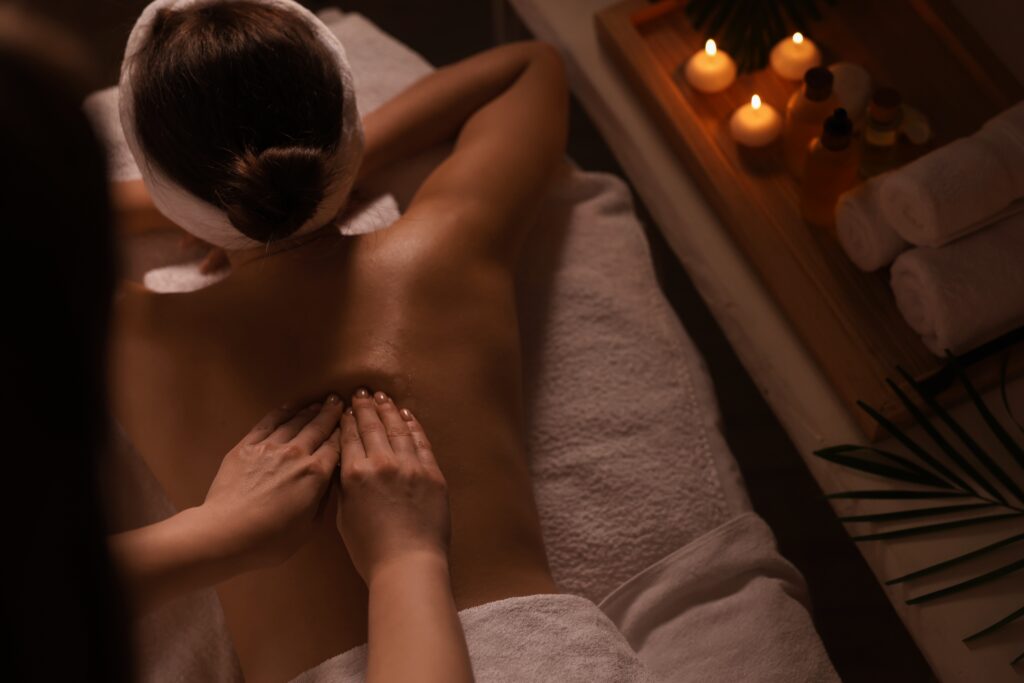
Certain relaxation massage techniques are especially effective for promoting sleep.
- Long, slow strokes help calm the nervous system and encourage a steady, relaxed rhythm in the body
- Light-to-moderate pressure allows muscles to release without triggering a stress response
- Gentle work on the neck and shoulders relieves common tension points that interfere with sleep
- Repetitive, rhythmic movements signal to the brain that it’s safe to let go of stress
These techniques work together to quiet the mind and soften the body, helping you transition into a deeper state of rest.
Want to learn more? Visit our Swedish Massage service page to see how these gentle techniques support relaxation and circulation.
Simple At-Home Massage Techniques for Better Sleep
While professional massage offers the deepest benefits, there are simple techniques you can use at home to support better sleep.
Neck and Shoulder Release
Gently massage the sides of your neck and tops of your shoulders using slow, circular motions. This helps release tension built up throughout the day.
Foot Massage
Applying gentle pressure to your feet before bed encourages relaxation throughout the body and supports circulation.
Scalp Massage
Using your fingertips, lightly massage your scalp in small circles. This can help quiet racing thoughts and promote mental calm.
Breathing + Touch
Combine any of these techniques with slow, deep breathing. This enhances relaxation and signals to your body that it’s safe to rest.
These small, consistent practices support mind and body wellness and help reinforce the calming effects of massage.
How to Build a Relaxing Nighttime Routine With Massage
Massage works best when paired with supportive habits that encourage relaxation.
- Schedule massage 1–2 hours before bed to allow your body time to settle
- Dim the lights to signal your brain that it’s time to wind down
- Limit screen use to reduce stimulation from blue light
- Stay hydrated to support circulation and recovery
A consistent nighttime routine reinforces your body’s natural sleep rhythms. Over time, this combination of massage and mindful habits can dramatically improve sleep quality.
When Professional Massage Can Make the Biggest Difference
While at-home techniques are helpful, professional massage can provide deeper and more lasting results.
Consider working with a massage therapist if you:
- Experience chronic insomnia or ongoing sleep issues
- Have a high-stress lifestyle
- Carry persistent tension in your neck, shoulders, or back
- Struggle to fully relax on your own
Massage therapy provides guided relaxation– helping your body release tension it may not be able to let go of on its own. This makes it an especially valuable tool for massage for sleep problems and long-term wellness support.
Ready to Soothe Your Mind and Body?
Better sleep starts with a calmer nervous system. By releasing tension, reducing stress, and supporting your body’s natural rhythms, massage for sleep offers a gentle and effective way to improve your rest.
If you’ve been struggling to unwind, fall asleep, or stay asleep, adding massage to your routine can help you feel more balanced and relaxed.
Sleep struggles don’t have to be an ongoing challenge. With the right support and relaxation techniques, better rest is possible. Book your session with our team here at Be Balanced Bodywork today and start your journey toward calmer nights and deeper sleep.
FAQs
Q: What type of massage is best for improving sleep?
A: Swedish or relaxation massage is ideal because gentle, slow strokes calm the nervous system and release tension.
Q: How often should I get a massage for sleep problems?
A: Weekly or bi-weekly sessions often provide the best results, though frequency depends on your stress levels and needs.
Q: Can massage really help with insomnia?
A: Yes. Massage supports relaxation, reduces stress, and helps your body transition into a restful state.
Q: Are there relaxation massage techniques I can try at home?
A: Yes. Gentle self-massage on the neck, shoulders, or feet before bed can promote relaxation and improve sleep readiness.