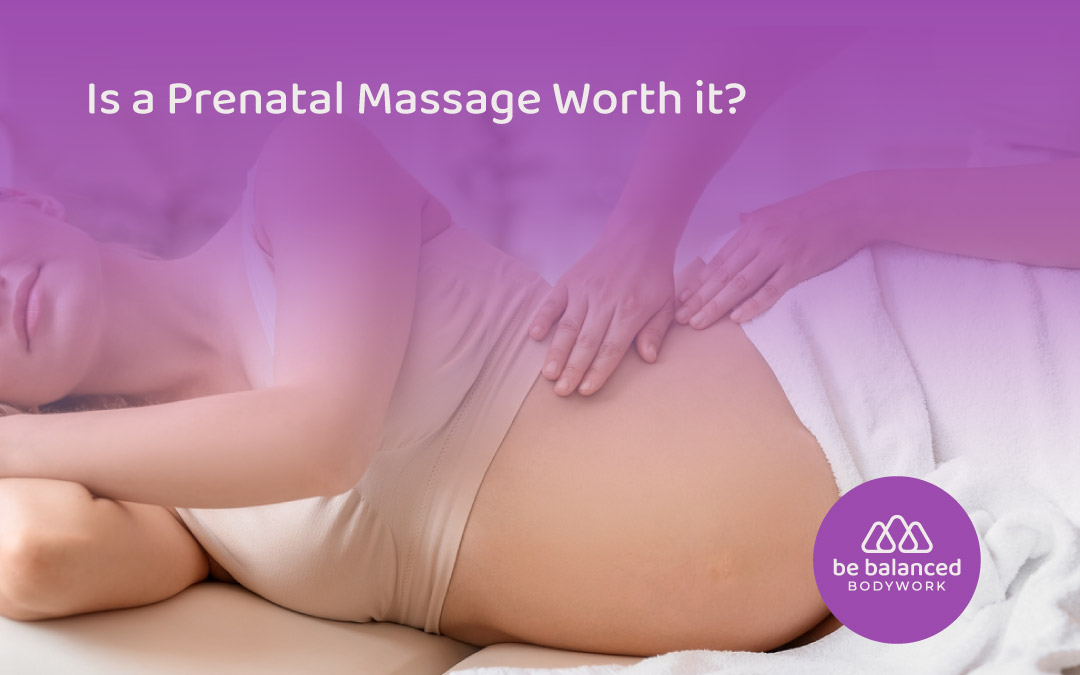
Pregnancy brings plenty of changes to look forward to, along with days when getting comfortable takes more effort than you expected. Your back may feel tired after work, your shoulders may be tight, or the position that felt good last week may suddenly need adjusting.
A prenatal massage may be worth exploring if you’re looking for a comfortable break and some attention to overworked muscles. The important first step is making sure massage is appropriate for your pregnancy, then choosing someone trained to adapt the session around you.
Here at Be Balanced Bodywork, we want you to feel informed and comfortable asking questions. You don’t need to know every technique before getting in touch, and you shouldn’t have to guess whether an appointment will suit your needs.
Below, we’ll explain how pregnancy massage differs from a regular session, what benefits you might notice, and what to discuss with your prenatal care provider before booking.
What Is Prenatal Massage and How Does It Work?
Prenatal massage is massage therapy adapted for pregnancy. The therapist considers how far along you are, your health, and what feels comfortable, then adjusts the positioning, pressure, and areas of focus.
That can involve changes throughout pregnancy. Your lower back might need attention at one appointment, while another visit may be more about resting comfortably and easing shoulder tension.
The American Institute of Alternative Medicine’s guide describes pregnancy-specific positioning and the use of pillows and bolsters. These supports help make room for your changing body instead of asking you to settle into a position that no longer feels good.
A session may include attention to:
- Lower back and hips: When surrounding muscles feel tired or tight.
- Shoulders and upper back: Areas that may feel overworked during daily activities.
- Legs: With appropriate techniques and only when there are no symptoms or health concerns that need assessment first.
- General relaxation: A comfortable pace and time to unwind.
The plan should reflect your pregnancy and your preferences. You can ask to avoid an area, change position, or pause whenever you need to.
Finding a Position That Feels Comfortable
Many prenatal massages use a side-lying position, with pillows supporting areas such as the knees, belly, and upper body. A semi-reclined position may also be suitable, depending on your stage of pregnancy and your provider’s advice.
The goal is comfortable support without pressure on your abdomen. Later in pregnancy, lying flat on your back for a long time can affect blood flow and make you feel unwell, so positioning needs more thought than simply adding a pillow.
You don’t have to stay still through discomfort. If your hip starts aching, your arm feels awkward, or a support isn’t in the right place, tell your therapist.
Taking a moment to adjust the setup is part of the appointment. Getting settled comfortably matters just as much as choosing where the massage will focus.
What Are the Potential Benefits of Prenatal Massage?
Prenatal massage benefits may include less muscle tension, temporary relief from some back or leg discomfort, and a chance to relax. What you notice will depend on how you’re feeling, the approach used, and your own response.
Cleveland Clinic’s overview discusses these possible benefits and the importance of pregnancy-specific care. A 2021 research review also found encouraging results for stress, back and leg pain, and some measures of mood and sleep.
That doesn’t mean every expecting mother will have the same experience. Many of the studies involved pregnancies without complications, so the findings don’t tell us that massage is suitable for every pregnancy.
Useful changes might include:
- Less of a tight feeling in your shoulders or back.
- Feeling more settled during or after the appointment.
- Enjoying a comfortable rest with your body supported.
- Finding it easier to unwind later in the day.
Massage is an addition to prenatal care, not a replacement for it. Keep your regular appointments and bring ongoing pain, sleep problems, or emotional concerns to your healthcare team.
A Little More Room to Relax
Pregnancy can fill your calendar with appointments, decisions, and preparations. Even when those things are welcome, it can feel good to have time when the focus is simply on your comfort.
A massage may provide a quiet break, especially if you’re balancing work, family responsibilities, and the usual errands around Grand Rapids. You can let the therapist know whether you’d enjoy conversation or would rather rest quietly.
You don’t have to leave feeling completely different for that time to matter. Sometimes the most useful part is having a comfortable place to pause and receive some care yourself.
What About Sleep and Emotional Well-Being?
Some pregnancy massage studies have found improvements in reported sleep and mood, though the results aren’t the same across every study. A relaxing appointment may help some people wind down, but it won’t address every reason sleep becomes difficult during pregnancy.
Try noticing what matters to you afterward. You may feel more at ease that evening, or find that you enjoyed the appointment even though your sleep didn’t change.
If worries, low mood, or sleep difficulties are becoming hard to manage, tell your prenatal care provider. You deserve support for those concerns alongside any massage you choose to enjoy.
How Is Prenatal Massage Different From a Regular Massage?
Prenatal massage draws on familiar massage techniques, with extra attention to pregnancy-related changes. It requires more than using a lighter touch or placing a cushion under your knees.
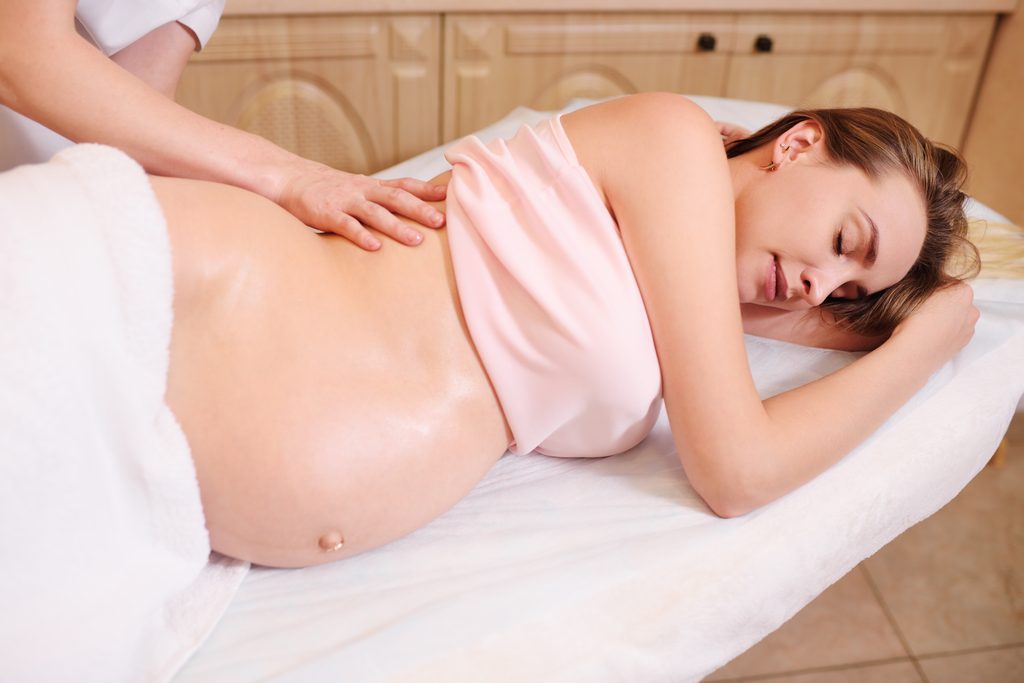
A therapist trained in prenatal massage needs to understand appropriate positioning, how to adapt the work, and when a health concern means massage should wait. The conversation before the appointment is an important part of that process.
Compared with a standard massage, you can expect more attention to:
- Your stage of pregnancy: Including how it affects positioning and comfort.
- Your health history: Any complications, restrictions, or advice from your care provider.
- Pressure and technique: Adjusted for pregnancy and the area being worked on.
- Support and repositioning: Pillows, bolsters, and changes when needed.
- Your feedback: Especially if something feels uncomfortable or different from usual.
A pressure level you enjoyed before pregnancy may not feel right now. Let your therapist know what feels good today, even if your preferences change during the session.
You also don’t need to ask for stronger pressure to make the massage worthwhile. A comfortable, carefully adapted approach is the priority.
Can Prenatal Massage Help With Pregnancy Back Pain?
As your belly grows, the way you balance and move can change. Your back muscles may have more work to do, and pregnancy-related changes around the pelvis can add to the picture.
ACOG’s explanation describes how a growing uterus, changes in posture, and hormonal effects on supporting ligaments can contribute to backaches. It’s one reason your back may feel more tired toward the end of the day.
Gentle massage may help some people relax tight muscles and feel temporarily more comfortable. A session can give those overworked areas attention while keeping the position and pressure appropriate for pregnancy.
For example, you might want to discuss lower back pain during pregnancy after long periods at a desk. On another visit, your shoulders or hips may feel like the bigger priority.
Our article on pregnancy massage benefits for comfort, stress relief, and rest explores related physical and emotional benefits.
Pregnancy back pain still deserves medical attention when it’s severe, new and concerning, or doesn’t settle. Massage can’t tell you what’s causing the pain or treat every underlying problem.
Looking Beyond the Appointment
If your provider recommends other ways to ease pregnancy discomfort, keep those in the picture too. Depending on your needs, that might include changes to sitting or sleeping support, suitable movement, or a referral for additional care.
You can bring that advice into the massage conversation. Tell the therapist which positions feel comfortable, what tends to make the ache worse, and any restrictions you’ve been given.
It’s useful to think about an ordinary part of your day you’d like to feel more comfortable doing. That might be sitting through dinner or settling into a supported resting position.
You don’t need to keep testing a painful movement to see whether the massage worked. Notice how you feel during normal activities and share anything important with your care provider.
Is Prenatal Massage Safe and What Should You Know Before Booking?
Prenatal massage can be appropriate for many healthy pregnancies when it’s provided by someone trained in pregnancy-specific care. The right timing and approach still depend on your own situation.
Check with your OB-GYN, midwife, or other prenatal care provider before scheduling. This is especially important if your pregnancy is considered high risk, you have an existing medical condition, or anything has changed since your last appointment.
Let them know you’re considering massage and ask whether there are areas, positions, or techniques to avoid. You can also ask whether the therapist needs written guidance or whether the practice has a clearance policy.
Having those details ready helps make the booking conversation clearer. It also gives the therapist a chance to discuss whether they can accommodate your needs before you arrive.
When Can You Start Prenatal Massage?
Many practices prefer to begin prenatal massage in the second trimester. ACOG’s guidance places the start of that trimester at 14 weeks, rather than 12.
That timing preference shouldn’t be taken as proof that massage in early pregnancy causes miscarriage. Direct research on first-trimester massage is limited, and policies can differ between practices.
The best answer comes from discussing your pregnancy with your prenatal care provider and checking the therapist’s policy. A calendar milestone alone doesn’t tell you whether a particular session is suitable.
If you’re still early in pregnancy, tell the therapist even if you aren’t showing. They need that information before discussing the type of appointment to book.
Questions Worth Asking Before You Book
You don’t need to arrive with a long checklist, but a few questions can help you feel more prepared:
- Is the therapist trained and experienced in prenatal massage?
- What pregnancy positioning and supports are used?
- What information is needed from my prenatal care provider?
- Are there booking policies related to stage of pregnancy?
- Can we discuss sensitivities, comfort needs, and areas to avoid?
Mention any allergies or sensitivity to scents as well. Pregnancy can change what smells feel pleasant, and the products used during the session should be part of the conversation.
If you have a high-risk pregnancy or a complication, avoid assuming that a gentler session automatically makes massage suitable. Your provider’s guidance and the therapist’s training both matter when deciding whether to proceed.
Symptoms That Need Care Before Massage
Some changes need medical attention rather than an appointment for muscle relief. Get medical care right away for new pain, warmth, redness, or swelling in one leg, especially the calf; don’t massage that area.
Severe or persistent headache, vision changes, chest pain, trouble breathing, vaginal bleeding, leaking fluid, or severe belly pain also need immediate medical attention. These are among the pregnancy warning signs covered in the CDC’s guidance.
You don’t need to decide on your own whether a worrying symptom is “just pregnancy.” Contact your care team when something doesn’t feel right, and let massage wait until you know what’s going on.
What Should You Expect During Your First Prenatal Massage?
The appointment should begin with a conversation about how far along you are, how you’ve been feeling, and what you’d like from the session. Share any health concerns and advice or restrictions from your prenatal care provider.
You might explain that your lower back feels tired after work, that you’d prefer to avoid a sensitive area, or that you mainly want a comfortable break. Plain language gives the therapist useful direction.
Before the massage begins, there should be time to get settled with suitable supports. If side-lying is planned, pillows may be arranged around your knees, belly, or upper body so you feel supported.
Speak up as the session progresses. Helpful comments can be as simple as:
- “Could we adjust the pillow under my knee?”
- “That pressure feels a little too strong.”
- “I’d rather skip that area today.”
- “I need to change position.”
- “Can we pause for a moment?”
You can also ask how to turn or get up comfortably. There’s no reason to rush a position change or stay quiet about feeling dizzy, nauseated, short of breath, or unwell. Tell the therapist immediately so the session can stop and you can get appropriate help.
The appointment should adapt to you. You’re allowed to ask questions, change your mind about an area of focus, or end the session.
Is the Time and Cost Worth It for You?
Once you know massage is appropriate, the decision can be personal. Consider what you’re hoping to enjoy, the cost, and whether the appointment fits your energy level and schedule.
A prenatal massage may be worthwhile because you appreciate temporary muscle relief or simply enjoy resting with good support. You don’t have to commit to regular appointments before finding out how one session feels.
If you choose to return, share what you liked and what you’d change. How often you book can depend on your provider’s advice, the way you feel, your budget, and the time you have available.
For another introduction, our article on what prenatal massage involves offers related information about pregnancy-focused bodywork. Keep your own care provider’s advice at the center of any decision about which techniques or activities are suitable for you.
Explore Prenatal Massage for Comfort in Grand Rapids
Prenatal massage is adapted around pregnancy, with thoughtful positioning, suitable pressure, and attention to how you feel. For some expecting mothers, it offers a welcome break, less muscle tension, and temporary relief from everyday aches.
Start by speaking with your prenatal care provider, then look for an approach that fits your needs and preferences.
Pregnancy comes with plenty of changes, and having time to rest and receive care can matter along the way.
Here at Be Balanced Bodywork, we’d be glad to talk with you about prenatal massage options in Grand Rapids, MI, and the information needed before booking.
Reach out to our team to ask questions and explore a session that supports your comfort while following your prenatal provider’s guidance.
FAQs About Prenatal Massage
Q: When can you start getting a prenatal massage?
A: Many practices prefer to start in the second trimester, which begins at 14 weeks. Timing should be discussed with your OB-GYN or other prenatal care provider, and therapists may have different policies. Always tell the therapist you’re pregnant before booking.
Q: What is the difference between a regular massage and a prenatal massage?
A: Prenatal massage includes pregnancy-specific positioning, supportive pillows, and changes to pressure and techniques. A trained therapist also considers your stage of pregnancy, health concerns, and any guidance from your care provider when planning the session.
Q: Can prenatal massage help with back pain during pregnancy?
A: It may relax tight muscles and temporarily ease some lower back or hip discomfort. It doesn’t eliminate every cause of pregnancy back pain. Severe, ongoing, or concerning pain should be discussed with your prenatal care provider before relying on massage.
Q: Do you need your doctor’s approval before getting a prenatal massage?
A: Speak with your prenatal care provider before scheduling, especially if you have a high-risk pregnancy, a medical condition, or complications. Ask the massage practice whether written clearance is required, and share any restrictions or changes in your health before the session.