
Have you ever noticed your body feels a little “off” when the weather shifts? Maybe your muscles feel tighter on colder days, your joints ache when a storm rolls in, or your energy levels dip when the skies stay gray a little too long.
If that sounds familiar, you’re not alone.
Changes in temperature, humidity, and barometric pressure can affect how your body feels and functions. For many people, these shifts show up as muscle stiffness, joint discomfort, fatigue, or even changes in mood and sleep.
The good news is that massage therapy can be a powerful, natural way to help your body adapt. By supporting circulation, relaxation, and overall balance, massage can help you feel more comfortable and resilient– no matter what the forecast looks like.
Why Weather Changes Affect Your Body More Than You Think
Your body is constantly responding to its environment. When the weather changes– especially quickly– your muscles, joints, and nervous system all have to adjust.
Cold temperatures can cause muscles to tighten and restrict blood flow. Changes in barometric pressure may affect how your joints feel, especially if you already deal with stiffness or discomfort. Even shifts in daylight can influence your mood and sleep patterns.
According to the Mayo Clinic, massage therapy can help improve circulation, reduce tension, and support overall physical and emotional wellness– all of which are important when your body is adapting to environmental changes.
When your body is under stress– whether from weather, workload, or daily life– it needs support to stay balanced.
Muscle Relaxation: Helping Your Body Stay Flexible Through Change
One of the most noticeable effects of changing weather is muscle tightness. Cold air, especially, can cause muscles to contract, making them feel stiff and less flexible.
Massage therapy helps counteract this by:
- Increasing blood flow to the muscles
- Warming tissue and improving elasticity
- Reducing built-up tension
- Helping muscles recover more quickly
When circulation improves, your muscles receive more oxygen and nutrients, making them more adaptable to temperature changes. This can make a noticeable difference in how your body feels throughout the day.
Think of massage as helping your body “reset”– allowing tight muscles to soften and move more freely, even when the weather isn’t cooperating.
Joint Pain Relief: Supporting Mobility When Pressure Changes
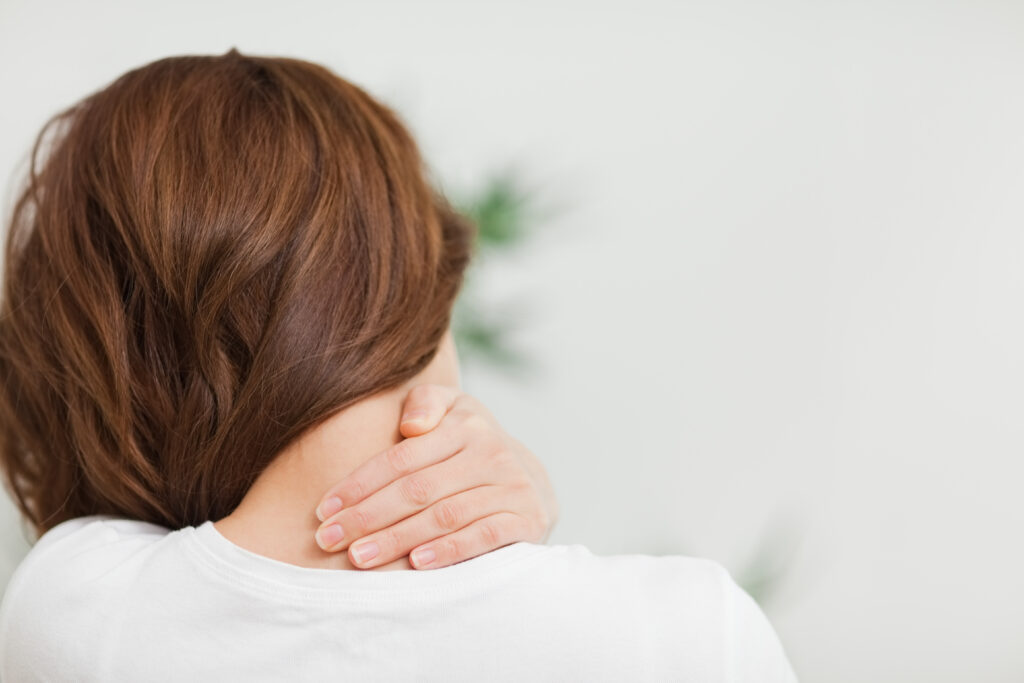
Many people notice that their joints feel different when the weather shifts– especially during colder months or when storms approach. While the exact reasons vary, changes in barometric pressure can affect how tissues around the joints expand and contract.
Massage therapy can help by:
- Reducing tension in surrounding muscles
- Supporting joint mobility
- Improving circulation to affected areas
- Easing discomfort that builds up over time
By relieving the pressure around joints, massage allows them to move more comfortably. This is especially helpful for people who already deal with stiffness or occasional aches.
Even gentle massage techniques can provide relief, making everyday movements feel easier and more natural.
Improved Mood and Stress Reduction: Supporting Emotional Balance
Weather doesn’t just affect the body– it can also influence how you feel mentally and emotionally.
Shorter days, less sunlight, and ongoing stress can all contribute to feelings of fatigue, irritability, or low energy. When your body is tense and your mind is overloaded, it becomes harder to feel balanced.
Massage therapy supports emotional wellness by encouraging the release of endorphins– your body’s natural “feel-good” chemicals. It also helps lower cortisol, the stress hormone that can keep your body in a constant state of alertness.
According to the American Massage Therapy Association, massage therapy can support emotional health by reducing stress and promoting relaxation.
In simple terms, massage helps you feel more grounded– which can be especially valuable during unpredictable or challenging seasons.
Enhanced Sleep Quality: Helping Your Body Rest and Recover
Sleep is one of the most important ways your body adapts and recovers– but it’s often disrupted during periods of stress or environmental change.
Massage therapy helps improve sleep by:
- Calming the nervous system
- Reducing muscle tension
- Supporting the production of serotonin and melatonin
- Encouraging deeper relaxation
The National Heart, Lung, and Blood Institute emphasizes that quality sleep is essential for physical health, immune function, and emotional well-being.
When your body feels relaxed and supported, it becomes much easier to fall asleep– and stay asleep.
For many people, incorporating massage into their routine creates a noticeable shift in sleep quality, helping them wake up feeling more rested and refreshed.
Massage as a Seasonal Wellness Tool
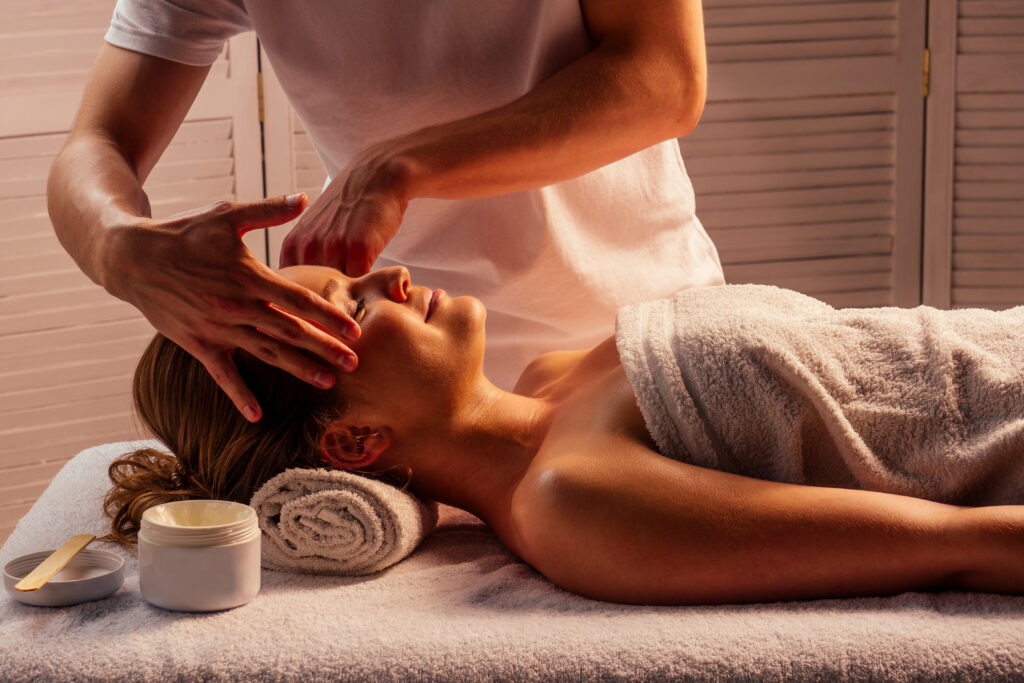
Rather than waiting for discomfort to build up, massage therapy can be used proactively to help your body stay balanced through seasonal changes.
Regular sessions can:
- Prevent tension from accumulating
- Support consistent circulation
- Help your body adapt to environmental stress
- Improve overall resilience
Just like adjusting your wardrobe for the weather, adjusting your wellness routine can help you feel more comfortable and supported year-round.
Massage doesn’t need to be reserved for when something feels “wrong.” It can be part of a steady, supportive approach to feeling your best– no matter the season.
Listening to Your Body: Finding What Works for You
One of the most important things to remember is that everyone’s body responds differently to weather changes.
Some people feel it in their muscles. Others notice it in their joints, energy levels, or mood. That’s why it can take a little time to find what works best for you.
Massage therapy offers flexibility in this process. Whether you prefer a gentle, relaxing session or something more focused on specific areas, your experience can be tailored to your needs.
If you’re considering massage therapy, it’s always helpful to talk with a therapist about what you’re experiencing. They can recommend techniques and approaches that align with how your body responds to change.
When to Seek Additional Support
While massage can provide significant relief, it’s important to stay aware of any ongoing or unusual symptoms.
If you experience:
- Persistent or worsening pain
- Significant changes in mobility
- Unusual or severe discomfort
It’s a good idea to consult with a healthcare professional. Massage works best as part of a supportive wellness routine– not as a replacement for medical care when it’s needed.
How Massage Can Help You During Weather Change
Weather changes are a natural part of life– but that doesn’t mean your body has to struggle through them.
Massage therapy offers a simple, effective way to support your body through shifting conditions. By helping muscles relax, easing joint discomfort, improving mood, and supporting better sleep, it gives your body the tools it needs to adapt and stay balanced.
If you’ve been feeling the effects of changing weather, a massage may be exactly what your body needs to reset, recharge, and feel more like yourself again.
Sometimes, a little extra care can make all the difference. Reach out to our team here at Be Balanced Body Care and schedule your massage today.
FAQs
Q: Can weather changes really affect muscle and joint pain?
A: Yes, they can. Many people notice increased stiffness or discomfort during colder temperatures or shifts in barometric pressure. These changes can affect circulation and how muscles and joints feel, which is why your body may feel tighter or more sensitive during certain seasons.
Q: How often should I get a massage to help with weather-related discomfort?
A: It depends on your body and lifestyle, but many people benefit from sessions every 3–4 weeks. During colder months or times when symptoms feel more noticeable, more frequent sessions may help keep your body feeling balanced and comfortable.
Q: What type of massage is best for seasonal stiffness or tension?
A: A relaxation-focused massage is great for calming the nervous system and easing general tension, while therapeutic or deeper work can help target specific areas of discomfort. A massage therapist can help guide you toward the best option based on how your body is feeling.
Q: Can massage therapy help with seasonal mood changes or low energy?
A: Yes. Massage therapy can support emotional wellness by reducing stress and promoting relaxation. Many people find that regular sessions help them feel more grounded, especially during darker, colder months when energy levels tend to dip.