Not all massages feel the same, and the type you choose can affect your overall experience.
You might want a quiet hour to unwind after a busy week, or extra attention for shoulders that feel tight by the end of the workday. Both are good reasons to schedule a massage, but they may lead to different kinds of sessions.
With so many types of massage to choose from, it’s easy to feel unsure about where to start. The good news is that you don’t need to know every technique or arrive with a perfectly planned appointment.
At Be Balanced Bodywork, we can discuss your goals, explain your options, and use your feedback to shape the session.
Let’s look at what makes common massage styles different and how to choose an approach that feels right for you.
Understanding the Most Common Types of Massage
Massage therapists use pressure and movement to work with your body’s soft tissues, including muscles and other connective tissues. Some techniques involve long, smooth strokes over a larger area. Others move more slowly and give a smaller area extra attention.
The main differences between massage styles usually come down to:
- Pressure: How light, moderate, or firm the touch feels.
- Movement: Flowing strokes, kneading, steady pressure, or gentle stretching.
- Focus: A broader session or more time spent on a particular area.
- Your goals: Relaxation, attention to muscle tension, or support for an active routine.
Swedish, deep tissue, sports, trigger point, and myofascial massage are among the approaches you’ll commonly hear about. Healthline’s guide introduces these styles along with other options.
Think of the massage name as a starting point for a conversation. It gives you an idea of the approach, but your preferences also help determine what the appointment will involve.
Swedish Massage vs. Deep Tissue Massage
Swedish massage is often what people picture when they think of a relaxing massage. It generally uses flowing movements and light to moderate pressure, with techniques such as long strokes and kneading.
If you’re new to massage or enjoy a gentler touch, this can be a comfortable place to start. It may also suit you if you’d like a restful session with attention spread across several areas, rather than most of the appointment devoted to one concern.
Picture the end of a busy week in Grand Rapids. You’ve spent hours at your desk, run errands, and barely had a moment to yourself. A Swedish massage may fit the kind of break you’re looking for, especially if your priority is to unwind.
Deep tissue massage generally takes a slower, more focused approach. It uses techniques directed toward deeper muscle layers and connective tissue, often spending more time on specific areas.
That could mean giving your upper back extra attention instead of moving through a broader routine. The session may feel more concentrated, but that doesn’t mean it needs to feel painful.
When comparing Swedish massage vs deep tissue, these questions can help:
- Do I want a restful, flowing session or more focused attention?
- What amount of pressure do I usually enjoy?
- Is there an area I’d especially like the therapist to work on?
- Have I had a massage before, and what felt good or uncomfortable?
Deeper pressure doesn’t automatically make a massage better. Mayo Clinic’s guidance explains that severe pain isn’t an expected part of massage and encourages asking for lighter pressure when something feels too strong.
You can also prefer different pressure in different places. Your back might welcome moderate pressure while your arms or calves need a gentler touch. Sharing that information gives us a much clearer picture of what feels comfortable to you.
Sports Massage for an Active Routine
Sports massage focuses on the demands of physical activity. Depending on the session, it may include focused muscle work, stretching, or a combination of techniques selected around the activity you do.
You don’t have to be a professional athlete to be interested in sports massage. It may appeal to someone who runs regularly, enjoys biking around West Michigan, or wants to discuss massage as part of an active lifestyle.
Let your therapist know what your routine looks like and what’s coming up.
An appointment before a long ride may have different goals from one after a demanding weekend, so timing is worth discussing.
It’s also helpful to keep the benefits in perspective. A research review found small improvements in flexibility and muscle soreness after exercise, but no evidence that sports massage directly improved strength, sprinting, or endurance.
Massage can have a place alongside rest and sensible training. It isn’t a promise of better performance, and it shouldn’t be used to work through an injury that needs medical attention.
Trigger Point Massage for a Specific Tender Area
Trigger point massage focuses on tender spots often described as muscle knots. Rather than moving continuously across a large area, your therapist may use steady pressure on a particular spot.
This approach may involve:
- Spending more time on a smaller area.
- Using steady pressure instead of flowing strokes.
- Adjusting the pressure based on how it feels to you.
You can speak up throughout the session. Saying “a little lighter there” or “I’d like to move on from that spot” helps us adjust the session to your needs. Focused work should still respect your comfort.
Tenderness doesn’t tell us everything about its cause. If discomfort keeps returning, feels unusual, or is getting worse, a healthcare professional may need to evaluate it.
Myofascial Approaches for Connective Tissue
Fascia is connective tissue that surrounds and supports muscles and other structures in your body. Myofascial approaches focus on this tissue, often using sustained pressure or gentle stretching.
Compared with a massage styles that use flowing strokes, you may notice:
- A slower pace with fewer repeated movements.
- Pressure held in one area for longer.
- Gentle stretching as part of the session.
If you’re curious about this approach, ask us what it involves and how it might fit your goals. You don’t need to understand every technique before having that conversation.
Mayo Clinic’s explanation notes that relatively few studies have tested myofascial release specifically. It may be worth discussing for certain concerns, but it doesn’t guarantee a lasting fix.
How Different Massage Techniques Can Support Different Goals
Choosing a massage becomes easier when you start with what you want from the appointment. You don’t need to identify the perfect technique; your goals give your therapist a place to start.
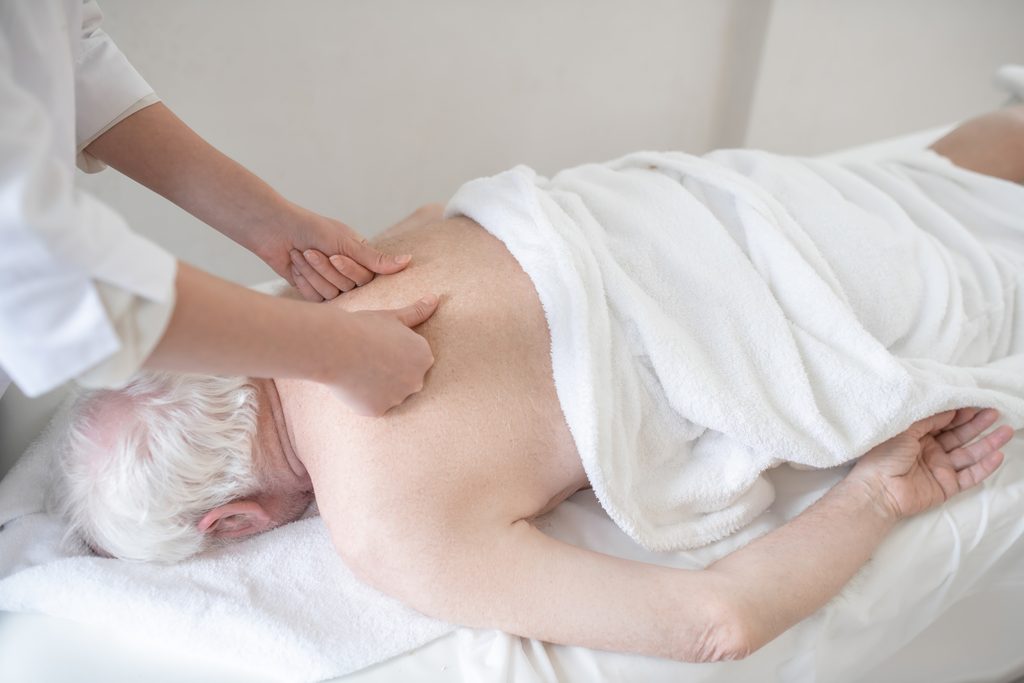
You might be hoping to:
- Enjoy a quiet break and leave feeling more rested.
- Give an overworked area some extra attention.
- Explore massage as part of your general wellness routine.
- Find a comfortable balance between relaxation and focused work.
For a relaxation-focused session, you may prefer a steady pace, comfortable pressure, and attention spread across several areas. You can tell us you’d like a restful experience even if there’s one area you want us to keep in mind.
For more focused work, explain what’s bothering you in everyday terms. “My shoulders feel tight after long shifts” tells us more than simply asking for the strongest massage available.
That’s especially useful if your days involve healthcare work, manufacturing, construction, or hours at a computer. Tell us what you’ve been noticing and where you’d like the attention to go. You don’t need to guess which muscle is involved.
Therapeutic massage is a broad term for massage tailored to your needs. It may bring together several massage therapy techniques, depending on your goals and what’s appropriate for you.
“Therapeutic” doesn’t automatically mean firm pressure. A gentler appointment can still have a clear purpose, and a focused session can still include time to relax.
When it comes to massage benefits, it’s best to keep expectations realistic. Massage may support relaxation and offer short-term relief for some kinds of discomfort, but research varies by condition. The NIH’s overview explains those limits and reminds readers that massage shouldn’t delay medical care.
For everyday wellness, start with a goal you can describe afterward. Did the pressure feel comfortable? Did the appointment give you the restful break you wanted? How did your usual area of tightness feel later that day?
Those observations can guide your next session. You don’t have to judge the entire experience by whether one appointment resolved an ongoing concern.
Our article on massage therapy for wellness offers another look at related goals and massage options. As you explore, keep returning to what you want from your own session.
Choosing Massage Based on Your Needs
Before booking, take a moment to think about what would make the appointment worthwhile for you. It might be a full-body massage with comfortable pressure, or it might be more time devoted to your back and shoulders.
You can keep the explanation simple. “I want to relax, but my neck could use extra attention” gives us a helpful picture without requiring any technical language.
Here are a few things worth sharing:
- Your main priority: A restful break, focused attention, or a mix of both.
- Your pressure preferences: What usually feels good and what feels too strong.
- Your past experiences: Anything you enjoyed or would rather avoid.
- Your health history: Relevant conditions, injuries, medications, or recent procedures.
If it’s your first massage, you may not know your pressure preferences yet. That’s okay. We can talk through what to expect and use your feedback as the session gets underway.
It’s also worth thinking about how you want to use the appointment time. A broader massage and a session mostly devoted to your upper body offer different experiences, even when the pressure is similar.
If several areas need attention, let us know which matters most. That helps us discuss a realistic plan instead of trying to rush through everything.
For more help sorting through your options, read our guide to finding the best massage technique for you. You can use it to gather questions before scheduling or put words to the experience you have in mind.
Your preferences can change, too. After several weekends of gardening or yard work, you may want a different session from the one you enjoyed during a quieter month. Let us know what’s going on now so the appointment reflects your current needs.
Why Personalized Massage Matters
Two people can book the same type of massage and want very different things from it. One might enjoy moderate pressure throughout, while another prefers lighter work with extra attention to the shoulders.
Your own preferences can change between appointments, too. A session after a demanding week may have different priorities from one during a quieter stretch.
A personalized massage takes those differences into account, including:
- Pressure that feels comfortable: A lighter touch in sensitive areas or firmer work where appropriate.
- Time spent where you want it: Extra attention to your shoulders, back, or another area.
- Positioning that suits you: Discussing adjustments if lying a certain way is uncomfortable.
- The experience you prefer: Less conversation, a slower pace, or skipping an area altogether.
ASIS Massage Education highlights more individualized sessions in its article on industry trends. That reflects growing interest in client preferences, although a trend alone doesn’t prove that a technique produces better results.
You can have a say in your experience without planning every detail yourself. Here at Be Balanced Bodywork, we welcome that conversation. Tell us what you’re looking for, ask about anything unfamiliar, and let us know when something needs adjusting.
Specialized Techniques Should Fit Your Needs
You may hear more about myofascial release or lymphatic drainage as you explore different types of massage. These approaches have been around for years, even if they’re newer to you.
A specialized technique should have a clear purpose and be performed by someone with appropriate training. Popularity alone doesn’t mean it’s right for everyone.
Lymphatic drainage, for example, uses gentle techniques intended to support lymph movement. It may be part of care for certain people with lymphedema, but it’s quite different from deep muscle work.
Cleveland Clinic’s guide explains that lymphatic drainage isn’t suitable for everyone and shouldn’t be the only treatment for lymphedema.
If you’re considering a massage after surgery or have unexplained swelling, talk with your healthcare provider first. That decision needs to fit your health situation, rather than being based only on how appealing a service sounds.
Promises about “removing toxins” aren’t a reliable way to choose a massage. Look for a clear explanation of the technique, its purpose, and whether it makes sense for you.
Your Massage Can Be Adjusted to You
The conversation doesn’t end when the massage begins. Pressure can feel different from one area to another, and you may discover that you want something changed once you experience it.
You don’t need to wait until the end of the appointment to mention that. A few words can give your therapist the information needed to respond.
For example, you can say:
- “Could you use a little less pressure there?”
- “That feels comfortable—let’s stay around that pressure.”
- “I’d appreciate more time on my upper back.”
- “I’d rather skip that area today.”
Asking for a change isn’t being difficult. It’s part of creating a session that fits you, and it’s much more useful than trying to tolerate pressure you don’t enjoy.
Choosing deep tissue massage doesn’t mean agreeing to every amount of pressure. You can ask to pause, stop a technique, or move on to another area at any time.
It also helps to describe the sensation instead of relying only on a pressure number. One person’s idea of “medium” can be another person’s idea of “too much.” Let us know if the touch feels comfortable, distracting, or stronger than you want.
Positioning matters as well. If lying face down is uncomfortable, tell us before the session so we can discuss suitable options. The same goes for anything else that affects your comfort, such as temperature or how much conversation you’d like.
After your appointment, think about what worked well and what you might change. The most useful feedback is specific: you liked the slower pace, wanted more time on your shoulders, or would prefer lighter pressure next time.
You also don’t need to measure a massage’s quality by how sore you feel afterward. Focus on your overall comfort, how the session matched your priorities, and what you noticed afterward. Those details help us plan future appointments around your preferences.
When to Check With a Healthcare Professional First
Your health history can affect which massage techniques are appropriate. Tell your therapist about pregnancy, recent surgery, injuries, blood-thinning medication, significant bone fragility, and other relevant conditions.
Depending on your situation, your healthcare team may need to advise you about timing, pressure, or areas to avoid. Sharing that information before booking gives us a chance to discuss what’s appropriate.
Persistent, severe, sudden, unexplained, or worsening pain needs medical attention rather than an assumption that a deeper massage is the answer. New numbness, weakness, or other neurological symptoms also need evaluation.
Massage may be part of supportive care, but it doesn’t replace finding out what’s causing a concerning symptom. For everyday muscle tightness, you can still ask questions before scheduling so you feel comfortable with the plan.
Find Your Fit and Schedule a Personalized Massage in Grand Rapids
Different types of massage offer different experiences, from flowing, restful sessions to slower work on a particular area. The best place to start is with your own goals and the amount of pressure that feels comfortable. Share what you need, ask questions, and give yourself room to adjust your preferences.
If you’re unsure which types of massage fit your needs, you don’t have to figure it out alone. At Be Balanced Bodywork, our team can discuss your concerns, preferences, and wellness goals. Reach out today to schedule a personalized massage in Grand Rapids, MI, and make time for a session shaped around you.
FAQs
Q: What are the most common types of massage?
A: Common options include Swedish, deep tissue, sports, trigger point, and myofascial massage. Each uses a different approach to movement, pressure, or areas of focus. A session may combine techniques, so ask what a particular service involves if you’re unsure.
Q: What is the difference between Swedish massage and deep tissue massage?
A: Swedish massage generally uses flowing movements and light to moderate pressure. Deep tissue involves slower, more focused techniques directed toward deeper muscles and connective tissue. The right choice depends on your goals and comfort preferences; deeper pressure isn’t automatically better.
Q: How do I know which type of massage is right for me?
A: Start with what you want from the appointment, then consider your preferred pressure and any areas needing attention. Share relevant health history, too. If you’re new to massage or uncertain about your options, our therapists can talk through the available approaches with you.
Q: Can a massage be adjusted to my preferences?
A: Yes. Depending on the service and your health needs, your therapist can adjust pressure, techniques, positioning, and areas of focus. You can ask for a lighter touch, skip an area, or pause the session. Let us know what feels comfortable so we can respond.