
Most Grand Rapids residents know massage therapy feels amazing– but figuring out how often to go can be a bit confusing. Is a monthly massage enough?
Do you need weekly sessions if you’re stressed or in pain? How do you know which type of massage actually fits your body best?
While massage therapy has amazing benefits for both the body and mind, finding the right massage frequency is what turns short-term relief into long-term results.
This guide will help you understand how often to get a massage based on your lifestyle, stress levels, pain patterns, and overall wellness goals– so you can build a routine that truly supports your body.
Why Massage Frequency Matters for Your Health & Stress Levels
Massage therapy does more than help you relax– it can improve mobility, reduce muscle tension, support better posture, and even lower stress hormones over time. According to the Mayo Clinic Health System, regular massage therapy can help reduce pain, improve circulation, and support emotional well-being when used consistently.
One-time massages can feel wonderful, but lasting change happens when massage becomes part of a routine. Consistency allows the body to release deeper tension patterns, calm the nervous system, and maintain progress between sessions.
Your ideal massage frequency isn’t one-size-fits-all. Factors like a high-stress job, physical activity level, chronic pain, or recurring tension all play a role in how often your body may benefit from care.
Learning the signs you need a massage can help you adjust your schedule before discomfort builds up.
Signs You Need More Frequent Massage Sessions
Your body often gives subtle (and not-so-subtle) clues when it needs more support. Some common signs include:
- Recurring headaches or tension migraines, often linked to tight neck, shoulder, or scalp muscles
- Sleep issues, nervous system overload, or ongoing anxiety that don’t improve with rest alone
- Pain or tension returning quickly after sessions, suggesting deeper muscle patterns need more consistent care
Research published through the National Center for Complementary and Integrative Health shows that regular massage therapy supports stress regulation and pain relief.
If you’re dealing with migraines, chronic stress, or persistent discomfort, increasing massage frequency can make a meaningful difference.
Choosing the Right Type of Massage For Your Goals
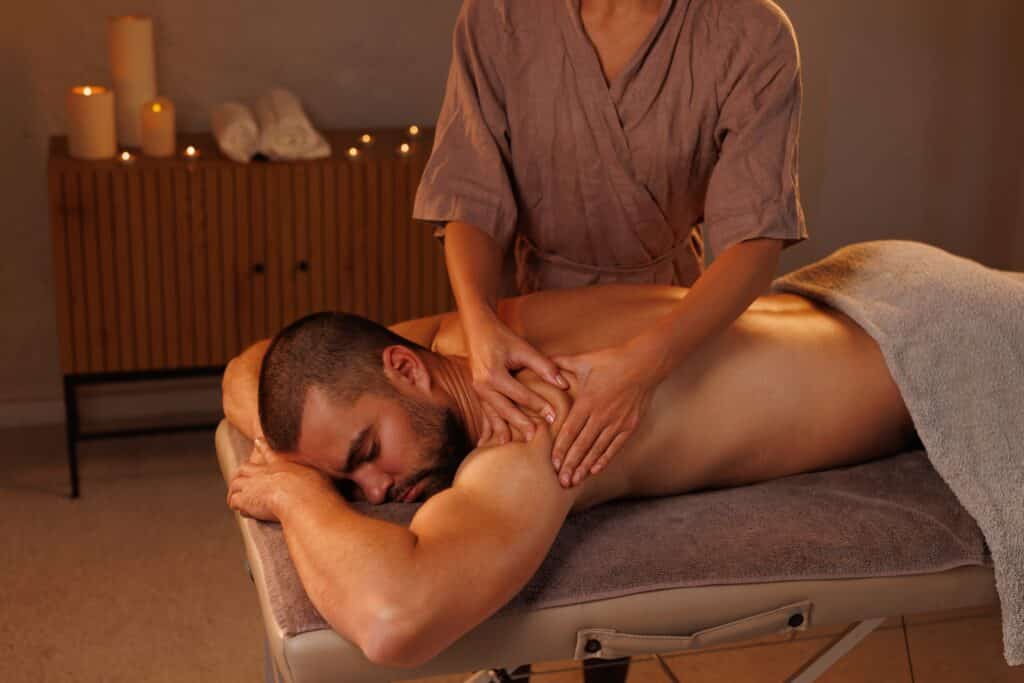
The type of massage you choose plays a big role in how often you’ll benefit from sessions. Different styles target different needs, so your goals should guide your choice:
- Swedish or relaxation massage focuses on calming the nervous system, easing stress, and improving sleep. These sessions are ideal for emotional balance and general wellness.
- Therapeutic or deep tissue massage targets deeper muscle layers, adhesions, and chronic pain patterns– often requiring more structured consistency for best results.
Your goals matter. Stress relief, pain management, injury recovery, or overall wellness all call for different approaches and frequencies. Whether your focus is stress relief, pain management, injury recovery, or overall wellness, choosing the right style ensures your body gets the care it needs.
If you’re still unsure which style fits your needs best, you can explore the types of massage we offer here.This can help you feel confident booking a session that supports your body and lifestyle.
Massage for Pain Relief
For clients dealing with chronic pain, massage often works best when started more frequently. Weekly or bi-weekly sessions can help reduce inflammation, release deeper tension, and retrain muscle memory.
Therapeutic massage is especially helpful for:
- Sciatica and low back pain
- Neck and shoulder tension
- Tension headaches
- Pain that returns quickly after activity or stress
Studies show that consistent massage therapy can significantly reduce chronic pain and improve quality of life when used over time.
Once pain stabilizes and relief holds between sessions, most clients transition to a lighter maintenance schedule that keeps progress intact.
How Lifestyle Affects the Perfect Massage Frequency for You
Your daily routine plays a major role in how often your body benefits from massage.
- Desk workers often need bi-weekly or monthly sessions to address posture issues, “tech neck,” and prolonged sitting.
- Athletes or physically active individuals benefit from weekly or bi-weekly sessions to support muscle recovery and prevent injury.
- High-stress or anxiety-prone clients often see the best results with consistent care that helps regulate the nervous system and maintain emotional balance.
Massage for wellness works best when it aligns with how you live, move, and manage stress.
Your Massage Frequency Plan: What Might Work for You
Here’s a general guide to help you decide what schedule might fit your needs:
- Weekly sessions: Best for chronic pain, injury recovery, intense physical activity, or high stress
- Bi-weekly sessions: A great middle ground for recurring tension, moderate pain, or active lifestyles
- Monthly sessions: Ideal for maintenance, prevention, and staying ahead of tension before it builds again
Even monthly massage can be incredibly effective for long-term wellness when used consistently.
What Massage Frequency is Right for You?

Choosing the right massage frequency is about listening to your body and aligning care with your lifestyle and goals. Whether you’re managing pain, easing stress, or supporting overall wellness, the right routine can help you feel more balanced, comfortable, and resilient.
If you’re ready to build your perfect massage routine, book your next session with our trained professionals at Be Balanced Bodywork. We’ll guide you in finding the plan that works best for your body and lifestyle.
We look forward to seeing you soon!
FAQs
Q: How often should I get a massage for chronic pain?
Weekly or bi-weekly sessions tend to work best until symptoms stabilize, then many clients shift to monthly maintenance.
Q: What massage type is best for stress?
Swedish or relaxation massage is ideal for calming the nervous system and easing everyday tension.
Q: How do I know if I need more frequent sessions?
Recurring headaches, poor sleep, emotional stress, or tension returning quickly are signs your body may need more consistent care.
Q: Is a monthly massage enough for wellness?
Yes– many clients use monthly sessions as a sustainable way to stay ahead of tension and support long-term well-being.